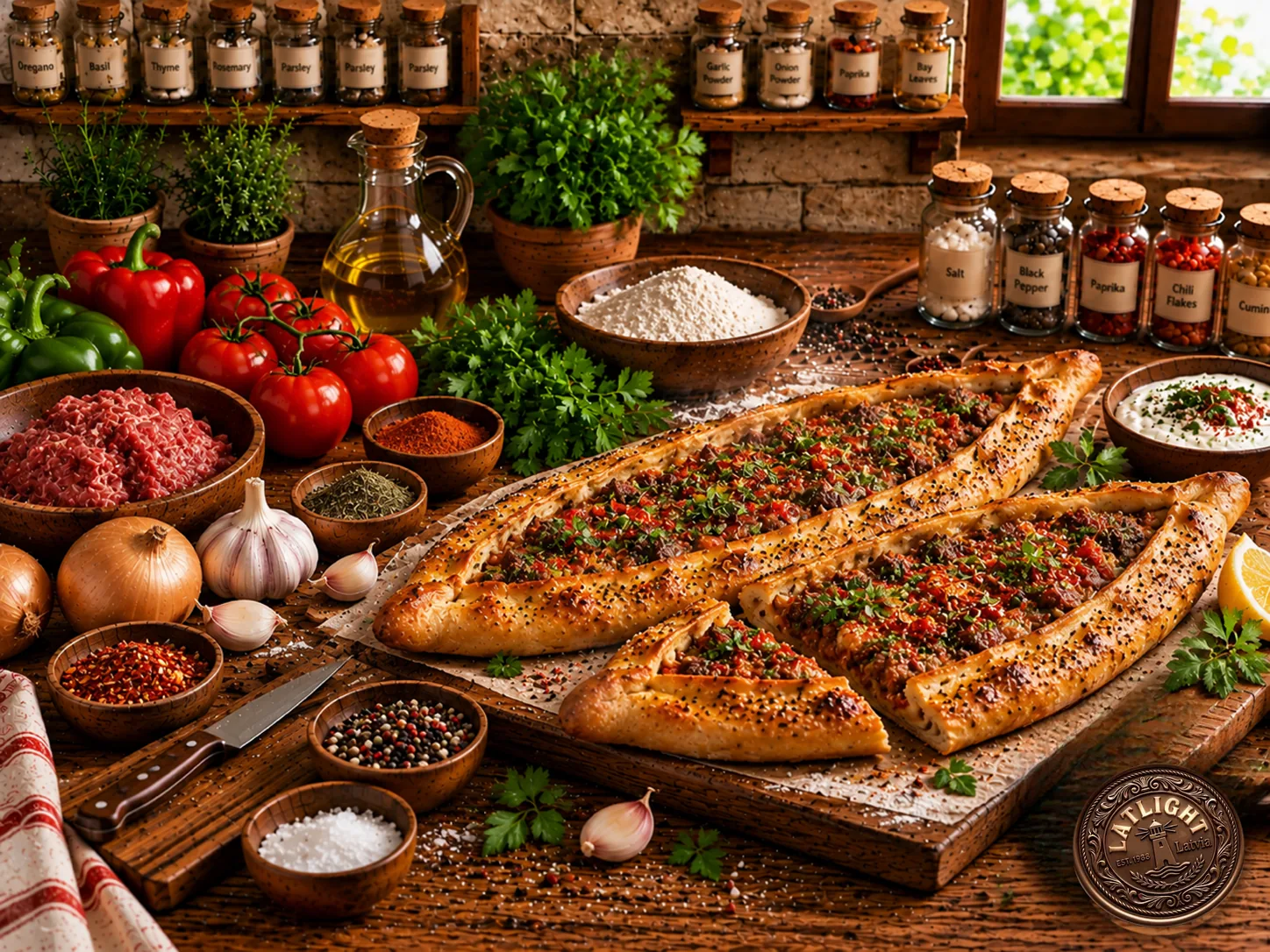
Kıymalı Pide: Turkish Boat-Shaped “Pizza”
1. Make the dough: Stir the yeast and sugar into the lukewarm water and leave for 5 minutes, until foamy. Add the flour, salt and olive oil and knead for 8–10 minutes, until soft and smooth. Cover and leave to rise for about 1 hour, until doubled.
2. Mix the filling: Finely chop the onion, peppers and garlic, and dice the tomatoes. Mix them with the raw minced meat, pepper paste, cumin, paprika, chili flakes, salt, black pepper and half of the chopped parsley. The filling goes on raw, as Turkish bakers do, and cooks in the oven.
3. Heat the oven: Heat the oven to 250 °C (or as hot as it goes) with a baking tray or stone inside for at least 20 minutes.
4. Shape the boats: Divide the dough into 2 pieces and roll each into a long oval, about 35 × 15 cm, on a floured sheet of baking paper. Spread half of the filling over each, leaving a 2 cm border. Fold the long edges over the filling and pinch the ends together into points, so each pide looks like a boat.
5. Bake: Brush the dough edges with beaten egg and sprinkle with nigella or sesame seeds. Slide the pides on their paper onto the hot tray and bake for 12–15 minutes, until the crust is golden and the meat is cooked through.
6. Serve: Brush the hot crust with a little melted butter, scatter over the rest of the parsley, cut into strips and serve with lemon wedges and cold yogurt.
Pide, the Turkish flatbread that became a boat
History & OriginsPide is the Turkish cousin of pizza. The word shares its roots with the Greek pita and the Italian pizza, and for centuries it simply meant flatbread, like the round, dimpled loaves that every Turkish bakery still bakes during Ramadan.
The topped, boat-shaped pide comes from the Black Sea coast, where Samsun, Trabzon and Bafra still argue over whose is best. Bakers stretch the dough into a long oval, cover it with minced meat, cheese or egg, fold the sides in and slide it into a wood-fired stone oven for a few minutes. The pointed ends make it easy to hold and to tear into pieces.
Kıymalı pide means pide with minced meat. The meat goes on raw, mixed with onion, tomato, peppers and spices, so its juices soak into the dough as it bakes. In Turkey it is street food and family food at once: ordered from the corner pideci, cut into strips and eaten with ayran, lemon and a pinch of chili flakes.
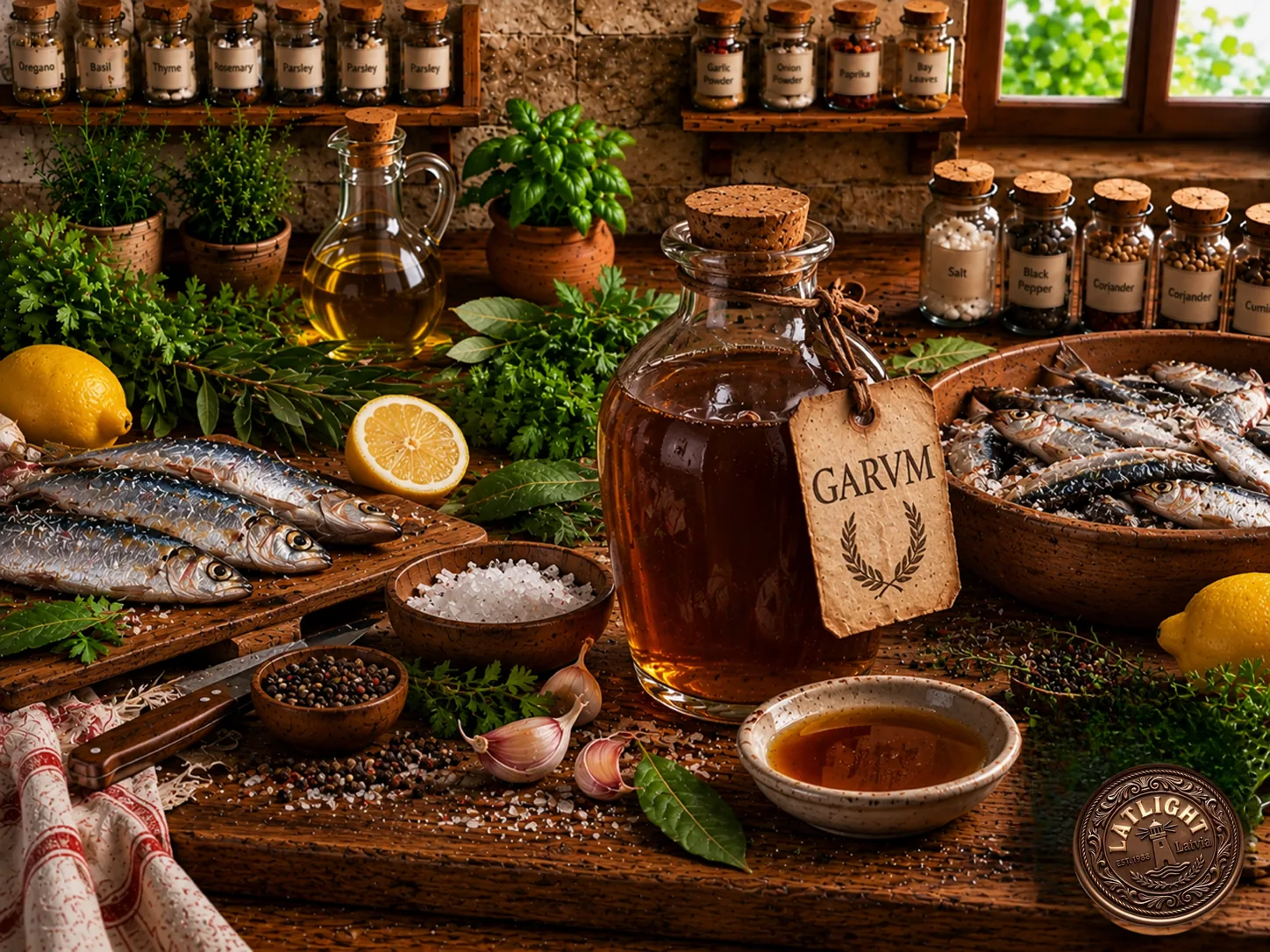
Garum: The Roman Fish Sauce (Quick Byzantine Method)
1. Make the brine: Warm the water in a pot and stir in the salt until it dissolves. Test it the Roman way: drop in a fresh raw egg in its shell. If it sinks, add more salt, a spoonful at a time, until the egg floats. Then take the egg out.
2. Prepare the fish: Rinse the sardines or anchovies. Leave them whole, with heads and insides, as the ancient recipe does (the insides give garum its depth), and cut each into 2–3 pieces.
3. Add the flavourings: Put the fish into the brine with the dried oregano, and the grape molasses (defrutum) if you are using it.
4. Cook: Bring to the boil, then simmer uncovered for about 30 minutes, until the fish has fallen apart and the liquid has reduced by about a third. Stir now and then and press the fish with a spoon.
5. Strain: Let it cool completely. Strain through a sieve lined with cheesecloth or a coffee filter. Strain it a second and a third time, until the liquid runs clear and amber.
6. Bottle and use: Pour into a clean bottle, seal and keep in the fridge for up to 2 months. Use a few drops instead of salt in stews, dressings and sauces, or mix it with olive oil (oleogarum) or wine (oenogarum), as the Romans did.
Garum, the sauce that seasoned Rome
History & OriginsGarum was the Roman Empire’s favourite seasoning: a clear, salty, amber sauce made from fermented fish. Romans used it the way we use salt or soy sauce, and it appears in almost every recipe in Apicius, the Roman cookbook. It was made in huge salting works on the coasts of Spain, Portugal, North Africa and Italy, and shipped across the empire in amphorae. In Pompeii, jars from the garum maker Aulus Umbricius Scaurus have been found with his name painted on them.
Classic garum took months. Small fish and fish insides were layered with salt and left in the sun for two to three months, then the clear liquid was drawn off. The fishy paste left at the bottom was called allec, and it was eaten too.
This recipe follows the quick method in the Geoponika, a Byzantine farming handbook from the 10th century that collected older Greek and Roman advice. For cooks who want garum at once, it says to test the brine with an egg, boil the fish in it with oregano, then strain it again and again until it runs clear. The result tastes much like Thai or Vietnamese fish sauce, its close modern cousin.
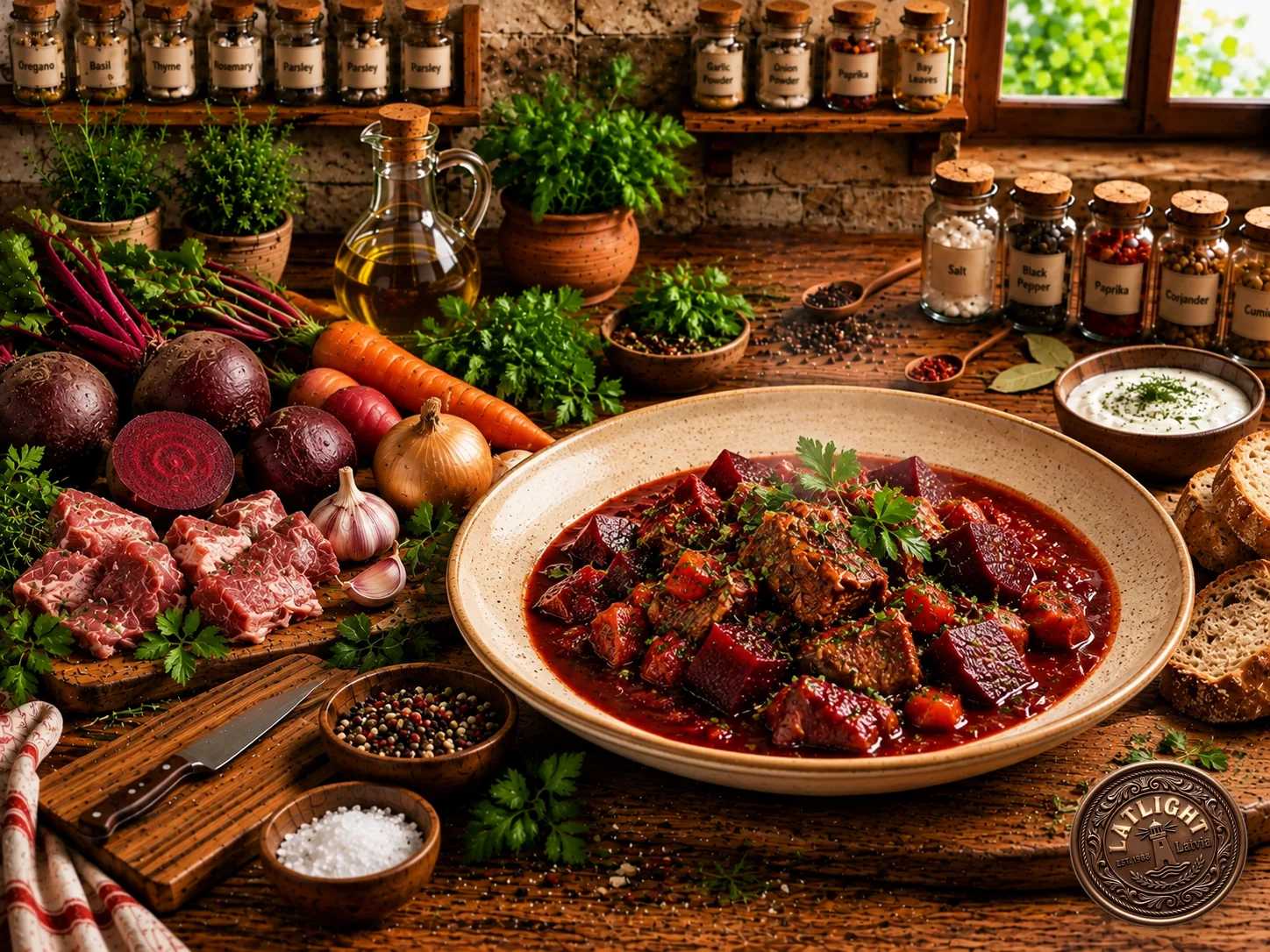
Tuh’u: Babylonian Lamb and Beetroot Stew
1. Brown the lamb: Heat the ghee or lamb fat in a heavy pot. Brown the lamb in two batches over high heat, about 5 minutes per batch, and season with the salt.
2. Soften the onions: Return all the lamb to the pot, add the sliced onions and cook for 5 minutes, stirring, until soft.
3. Add beer and water: Pour in the beer and the water, add the cumin and ground coriander and bring to the boil. Skim, cover and simmer gently for 1 hour.
4. Add the beets: Add the beetroot, the leek and the 4 crushed garlic cloves, just as the tablet adds crushed leek and garlic. Simmer for 40–50 minutes more, until the lamb is tender and the beets are soft. Uncover for the last 10 minutes so the broth thickens slightly.
5. Make the green dressing: Finely chop the rocket, coriander leaves and spring onion, and crush the remaining 2 garlic cloves into the mix.
6. Serve: Take the pot off the heat, stir in half of the green dressing and scatter the rest on top, as the tablet says. Serve hot, with flatbread or crusty bread.
Tuh’u, a 3,750-year-old stew
History & OriginsTuh’u comes from one of the oldest known recipe collections in the world: a clay tablet in the Yale Babylonian Collection (YBC 4644), written in Akkadian in Mesopotamia around 1750 BCE. The tablet holds 25 short recipes for stews and broths.
The instructions are only a few lines long: there must be meat from a leg of lamb; prepare water and add fat, then salt, beer, onion, a green herb, coriander, cumin and beetroot; crush leek and garlic and add them; and when the stew is ready, sprinkle fresh coriander and another green on top.
Some of the ingredients have never been identified for certain, so modern cooks fill the gaps. This version uses rocket, fresh coriander and spring onion for the green finish. When a team led by Assyriologist Gojko Barjamovic cooked the Yale recipes, a red beet stew with sour beer turned out to be the favourite. The result is rich, deep red and slightly tangy from the beer.

Calzone: The First Known Recipe (Naples, 1850s)
1. Make the dough: Dissolve the yeast in the lukewarm water. Mix in the flour, then the salt, and knead for about 10 minutes until smooth and elastic. Cover and leave to rise for 2–3 hours, until doubled.
2. Shape the balls: Divide the dough into 2 balls, cover and let them rest for another 30 minutes. Meanwhile, tear the mozzarella and leave it to drain in a sieve.
3. Heat the oven: Heat the oven as hot as it goes (250–275 °C) with a baking stone or heavy tray inside for at least 30 minutes.
4. Fill: Stretch each ball by hand into a disc about 25 cm wide. Spread the lard over one half, leaving a 2 cm border, then add the grated cheese, mozzarella, ham, torn basil and a little black pepper (and the tomato slices, if using).
5. Fold and seal: Fold the dough over itself into a half-moon, exactly as the 1850s description says, press the edges together firmly and crimp them. Brush the top with a little lard or olive oil and cut a small slit for the steam.
6. Bake: Slide onto the hot stone or tray and bake for 12–15 minutes, until puffed and golden (only 3–4 minutes in a wood-fired oven). Rest for 3 minutes before cutting, the filling is very hot.
Calzone, the folded pizza of Naples
History & OriginsThe calzone was born in Naples as a pizza you could carry and eat on the move. Its name means “trouser leg” or “stocking” in Italian, a joke about its shape: a disc of dough folded over and stuffed like a pocket.
Its first known written description comes from the mid-1800s, in Francesco de Bourcard’s Usi e costumi di Napoli (“Customs and Traditions of Naples”), a portrait of everyday life in the city. Describing the pizzas sold on the street, it lists the toppings of the day: garlic and oil, grated cheese with lard and basil, slices of mozzarella, sliced ham, tomatoes, small fish and clams. Then it adds: “Sometimes the dough is folded over itself, forming what is called a calzone.”
No quantities were written down, because every pizzaiolo knew them by heart. This recipe follows the ingredients named in that description: lard, grated cheese, basil, mozzarella and ham, sealed inside a simple bread dough and baked very hot. Today’s calzoni often add ricotta and salami; this one stays with what the 1850s text names.
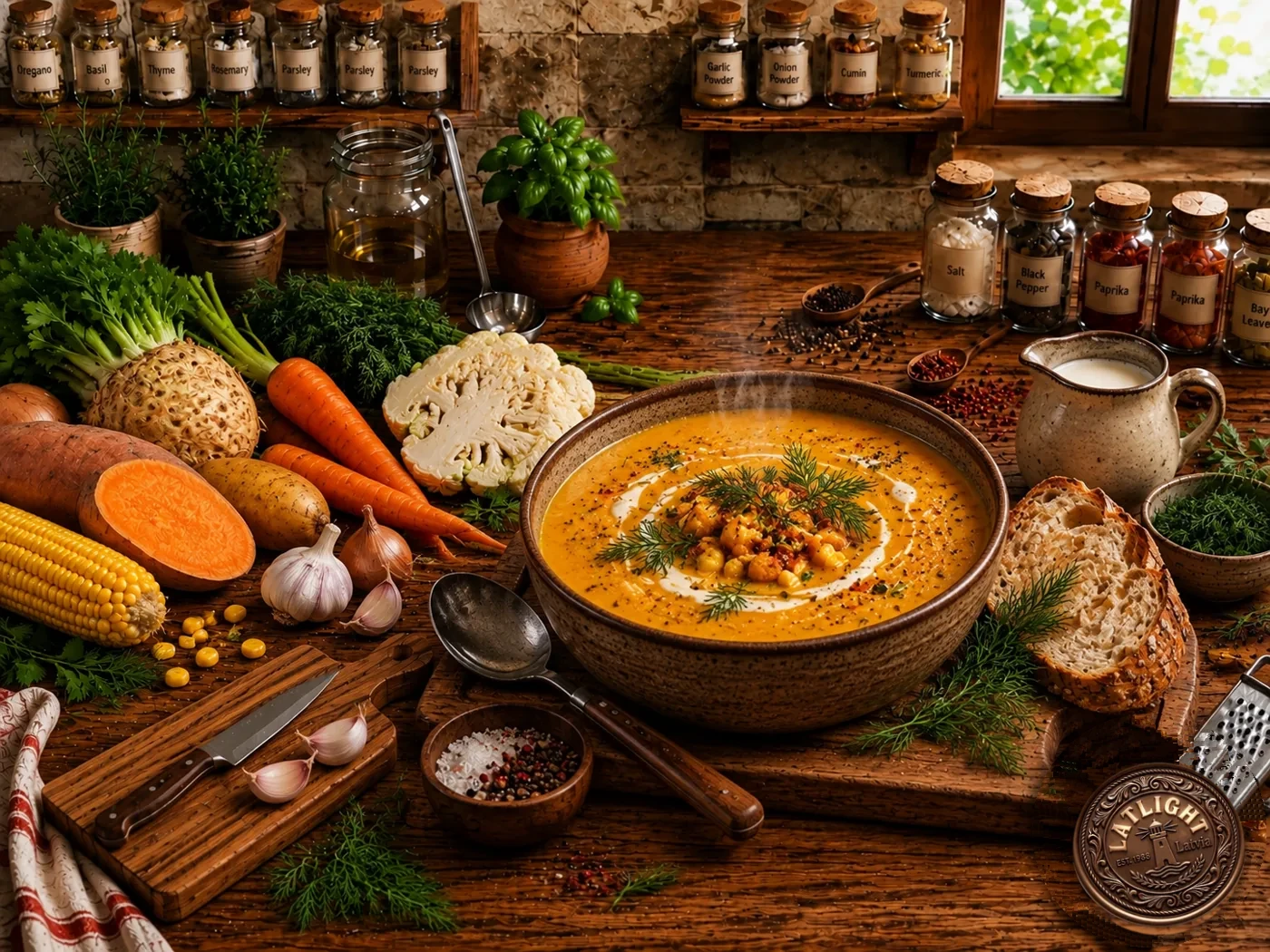
Linda’s Roasted Autumn Vegetable Soup
1. Roast the vegetables:
Preheat the oven to 200 °C. Roughly chop the garlic, onion, potato, carrots, celery root, sweet potato and cauliflower. Place everything on a roasting tray together with the corn, drizzle with olive oil and season with salt and pepper.
2. Caramelise:
Roast for approximately 30–40 minutes, turning once, until the vegetables are soft, golden and slightly caramelised.
3. Make the broth:
Dissolve the vegetable stock cubes in hot water. Transfer the roasted vegetables to a large pot and pour over the hot stock.
4. Blend:
Simmer for 10–15 minutes, then blend until completely smooth and velvety.
5. Finish with cream:
Stir in the heavy cream and add the fresh dill. Warm gently for another 3–5 minutes without bringing the soup to a hard boil.
6. Serve:
Taste and adjust the salt and pepper. Serve hot with fresh dill and a drizzle of cream or olive oil.
Linda’s Roasted Autumn Vegetable Soup
A Latlight SpecialWhen autumn nights grow longer and the kitchen falls quiet, this is the kind of soup that belongs on the table. It is a rich, velvety soup made from roasted sweet potato, carrots, celery root, cauliflower, garlic, sweet corn and fresh dill. Roasting the vegetables until golden and caramelised brings out their natural sweetness and gives the soup a deep, comforting flavour.
The key is roasting rather than boiling the vegetables first. The caramelisation creates the deep autumn flavour that makes this simple soup taste much richer. Roast it. Blend it. Cream it. Enjoy it. A little warmth for the longest nights.
A family recipe from Linda.
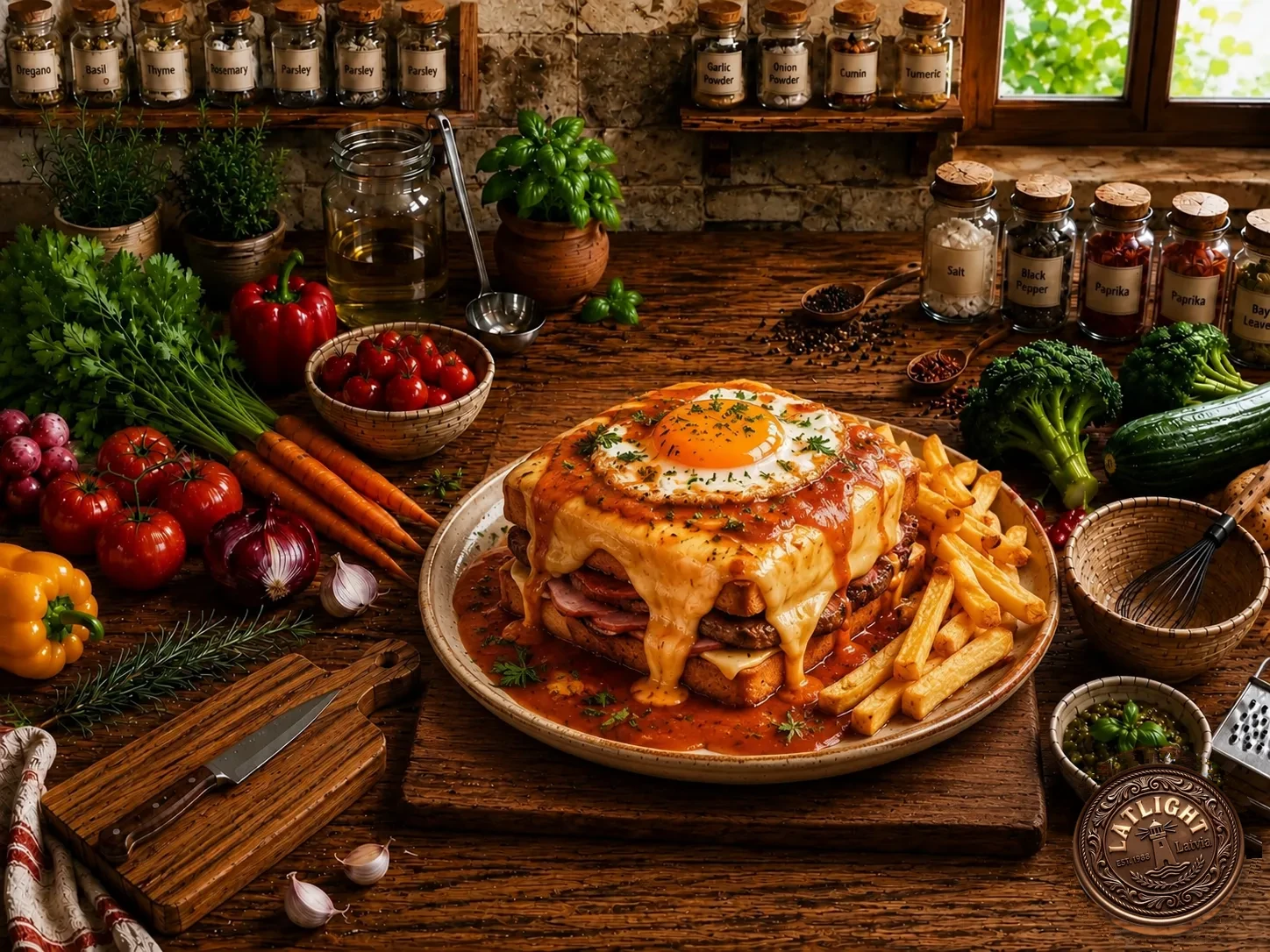
Francesinha
1. Make the sauce:
Melt the butter and cook the onion for 5 minutes. Add the garlic, tomato paste, paprika
and piri-piri and stir for one minute. Pour in the beer, stock and port, add the bay leaf,
and simmer for 20 minutes until reduced by about a third. Remove the bay leaf, blend until
smooth, and season. Keep warm.
2. Cook the meats:
Season the steak and fry it in a hot pan for 2 minutes per side. Slice the sausage in half
lengthways and brown it in the same pan.
3. Toast the bread:
Lightly toast the bread slices so they hold up under the sauce.
4. Build the sandwich:
On each of 2 slices layer ham, the steak, then the sausage. Top with a second slice of bread
and cover the top and sides with 3 cheese slices each.
5. Melt the cheese:
Place under a hot grill (or in a 220 °C oven) for 3–5 minutes, until the cheese is
melted and bubbling.
6. Finish:
Fry the eggs and set one on each sandwich. Ladle the hot sauce over the top, and serve
straight away with chips, with a knife and fork.
Francesinha
History & OriginsThe francesinha (“little Frenchie”) is the best-known dish of Porto. It was introduced in 1953 by Daniel David da Silva at the restaurant A Regaleira. Da Silva had spent time in France and Belgium, and he set out to adapt the French croque monsieur to Portuguese tastes, with more meat, more cheese and a sauce.
The recipe is simple in outline and endlessly argued over in detail. The bread is layered with ham, linguiça and steak or roast meat, covered in melted cheese, and flooded with a hot tomato-and-beer sauce. Every restaurant in Porto guards its own sauce, and the only thing they all agree on is the beer. It is a sandwich for a knife and fork, and a big appetite.
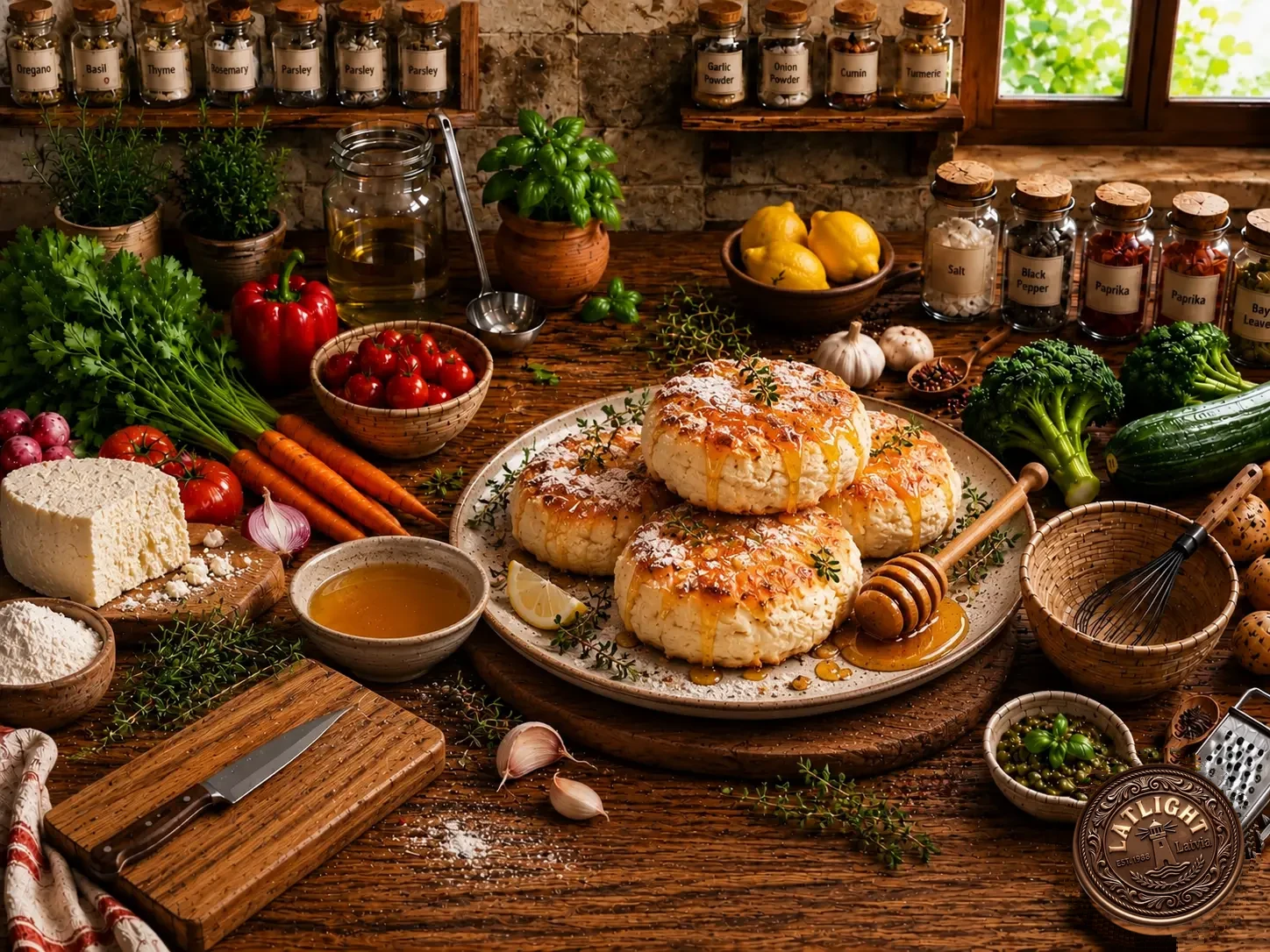
Libum
1. Make the dough:
Drain the ricotta well, then beat it until smooth. Mix in the egg, then work in the
flour with a spoon until you have a soft, slightly sticky dough.
2. Rest:
Cover and leave the dough for 15 minutes so the flour hydrates and it becomes
easier to shape.
3. Shape:
With floured hands divide the dough into 4 and form round, thick little loaves
about 8 cm wide.
4. Bay leaves:
Heat the oven to 180 °C. Lay the bay leaves on a baking tray and set each loaf on
two or three of them.
5. Bake:
Cover the tray loosely with foil, or an upturned ovenproof bowl, for the first
15 minutes, then uncover and bake for 15–20 minutes more, until golden and set.
6. Serve:
Warm the honey and brush it over the hot loaves, so they soak it up. Scatter with
pine nuts or poppy seeds if you like, and serve warm. Remove the bay leaves before eating.
Libum
History & OriginsLibum is one of the oldest recipes written down in Latin. It appears around 160 BC in De Agri Cultura by Cato the Elder (chapter 75), a handbook for running a Roman farm. Cato calls for two pounds of cheese, crushed in a mortar until soft, mixed with a pound of flour and one egg, then shaped into a loaf. The loaf is set on bay leaves and baked under a clay lid, the testu, over a hot hearth.
The name comes from libare, “to offer”. Libum was a sacrificial cake, given to the household gods, the Lares, and to deities at festivals and birthdays, and then shared by the family. Cato’s original has no honey; sweet versions came later, and honey is the natural Roman way to finish it. This Latlight version scales Cato’s proportions down to a single tray and uses ricotta, the closest modern relative of fresh Roman cheese.
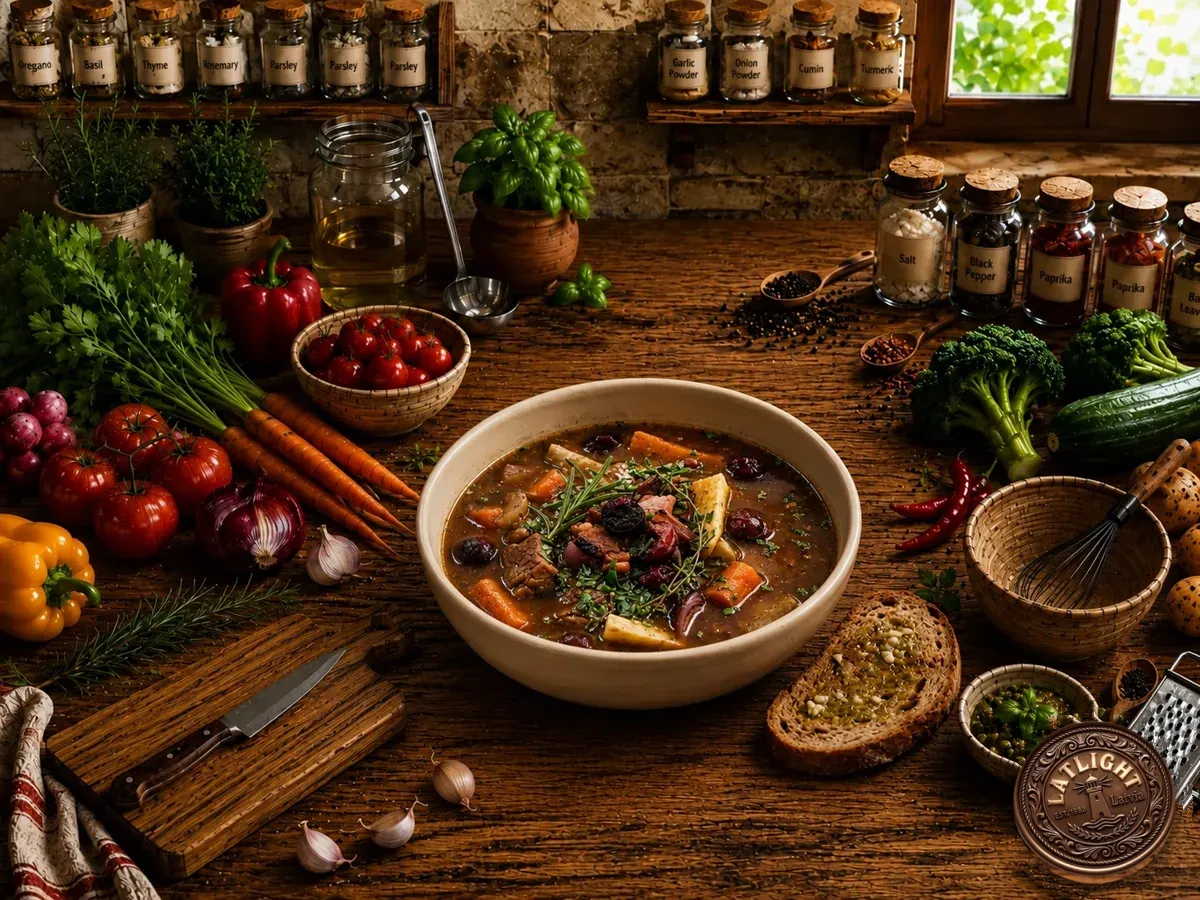
Beef, Cherry & Vegetable Soup
1. Brown the beef:
Cut the beef into 3 cm cubes and pat dry. Brown in hot oil in a heavy pot, in batches,
until deeply golden. Set aside.
2. Build the base:
In the same pot cook the chopped onion for 5 minutes, add the garlic and tomato paste
and stir for one minute until the paste darkens.
3. Simmer the beef:
Return the beef, add the broth, bay leaves, thyme and rosemary. Bring to a boil, skim,
then cover and simmer gently for 1 hour 15 minutes.
4. Add the vegetables:
Add the carrots, parsnip and celery root cut in chunks. Season with salt and pepper
and cook for 25 minutes, until the beef and vegetables are tender.
5. Cherries:
Stir in the cherries and simmer for 10 minutes. They should soften and lend a
gentle sweet-sour depth to the broth. Adjust with salt, pepper or a pinch of sugar.
6. Serve:
Rest for 10 minutes, scatter with fresh parsley and thyme, and serve in wide bowls
with garlic rye toast.
Beef, Cherry & Vegetable Soup
History & OriginsPairing meat with sour fruit is an old habit of Eastern and Northern European kitchens, from Baltic stews with prunes and cherries to Caucasian soups soured with plums. Here it becomes a Latlight original: a slow beef soup with root vegetables and cherries that add a gentle tang, served with garlic rye bread.
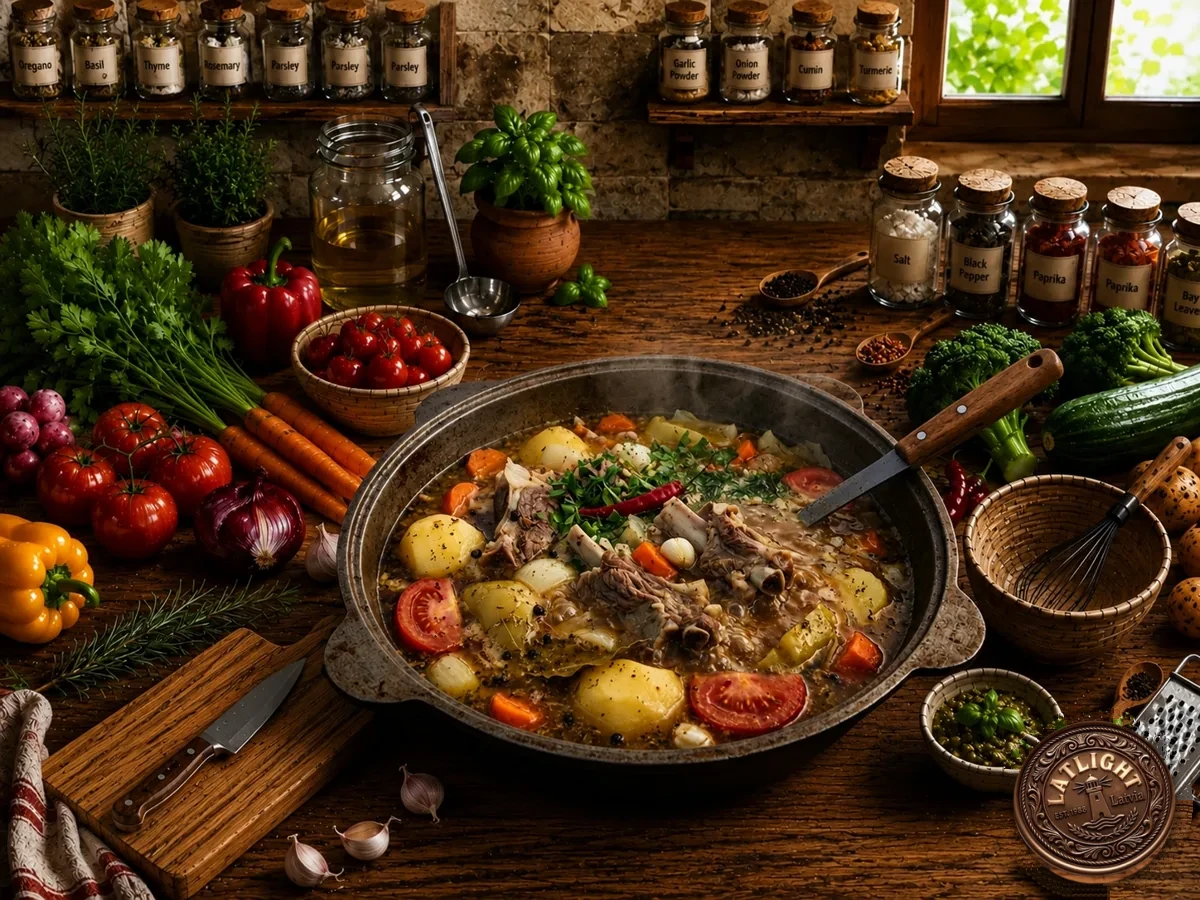
Shulyum (Classic Lamb Soup)
1. Brown the lamb:
Cut the lamb into large pieces on the bone. In a heavy pot or kazan, brown the pieces
in their own fat (add a little oil if the meat is lean) until golden on all sides.
2. Start the broth:
Add two of the onions, cut into large pieces, then pour in about 2.5 liters of cold water.
Bring to a boil, skim off the foam, and add the bay leaves, peppercorns and chili.
3. Simmer:
Reduce the heat, cover and simmer very gently for 1 to 1.5 hours, until the meat
is tender and begins to fall off the bone.
4. Add the vegetables:
Add the carrots in large chunks and the potatoes cut in halves or quarters.
Salt to taste and cook for 15 minutes.
5. Tomatoes & garlic:
Add the remaining onion, the tomatoes cut in thick slices and the whole garlic cloves.
Cook for another 10–15 minutes, until the potatoes are soft but still hold their shape.
6. Rest & serve:
Stir in the chopped fresh herbs, turn off the heat and let the soup rest, covered,
for 15 minutes. Serve hot, in deep bowls, with a piece of meat on the bone in each.
Shulyum (Classic Lamb Soup)
History & OriginsShulyum is a hearty lamb soup from the culinary tradition of the Turkic peoples of Central Asia, the Kazakhs and Tatars among them. It was traditionally cooked over an open fire in a kazan, a large cast-iron pot. The idea is simple: lamb on the bone, big pieces of vegetables, and long, gentle cooking.
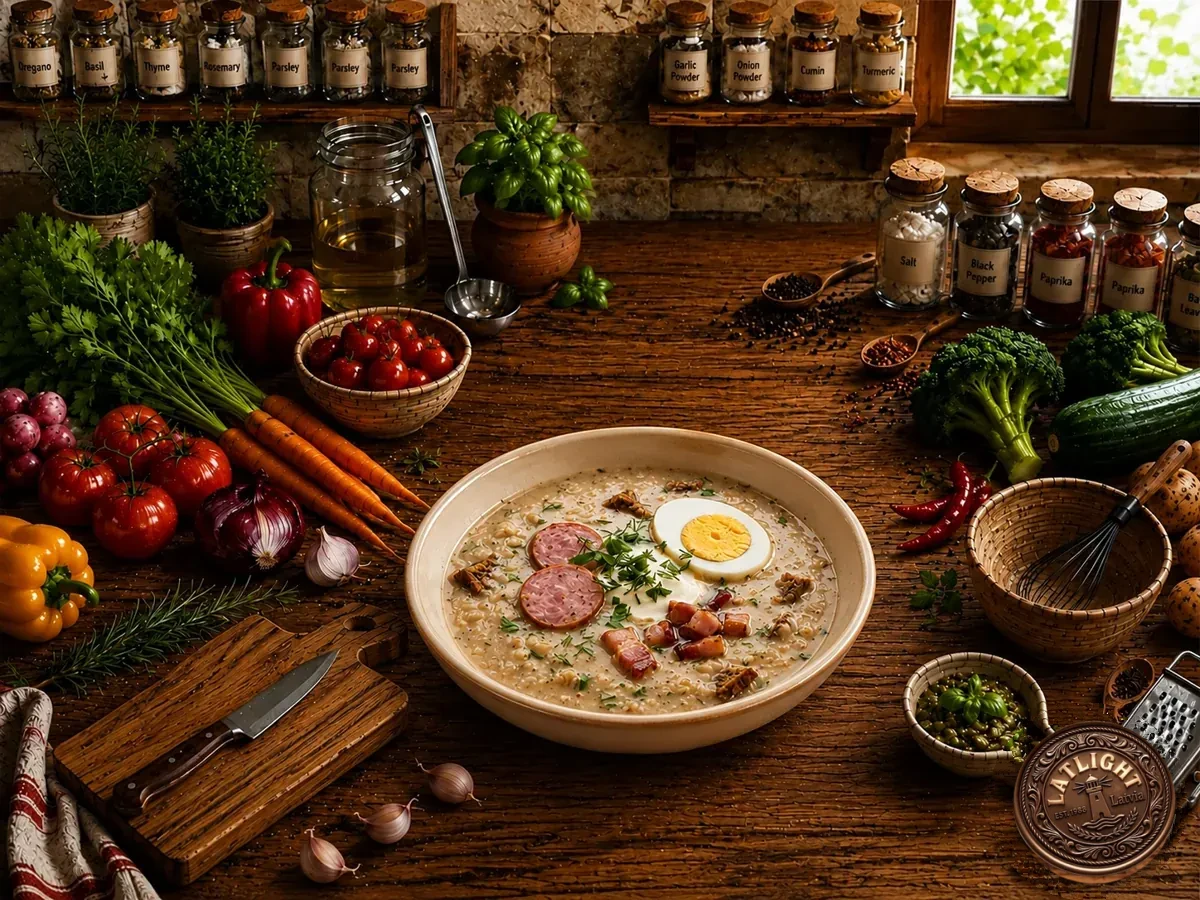
Żurek (Sour Rye Soup)
1. Make the rye starter (3–4 days ahead):
In a glass jar, mix the rye flour, warm water, one crushed garlic clove and the rye bread crust.
Cover with gauze and leave in a warm place for 3–4 days, stirring from time to time,
until the starter smells pleasantly sour, like bread.
2. Mushrooms:
Soak the dried mushrooms in boiling water for 15 minutes, then slice them
and add them to a pot of boiling broth.
3. Smoked meat:
Slice the bacon or sausage and fry in a dry pan until the fat renders.
At the end add the minced garlic and marjoram, then transfer everything into the broth.
4. Add the starter:
Shake the starter well, strain it through a sieve straight into the boiling soup, stirring constantly.
Simmer on low heat for 5–7 minutes, until the soup thickens slightly and gets its characteristic tang.
Season with salt and pepper.
5. Serve:
Serve hot, with half a boiled egg in each bowl and a sprinkle of fresh marjoram.
Żurek (Sour Rye Soup)
History & OriginsŻurek is a traditional Polish soup, known for its sour flavor, which comes from a fermented rye starter (zakwas). It is classically served with smoked sausage and boiled egg, and it is especially associated with Easter tables in Poland. Its sourness comes from the same simple fermentation that people have long used to make rye bread.
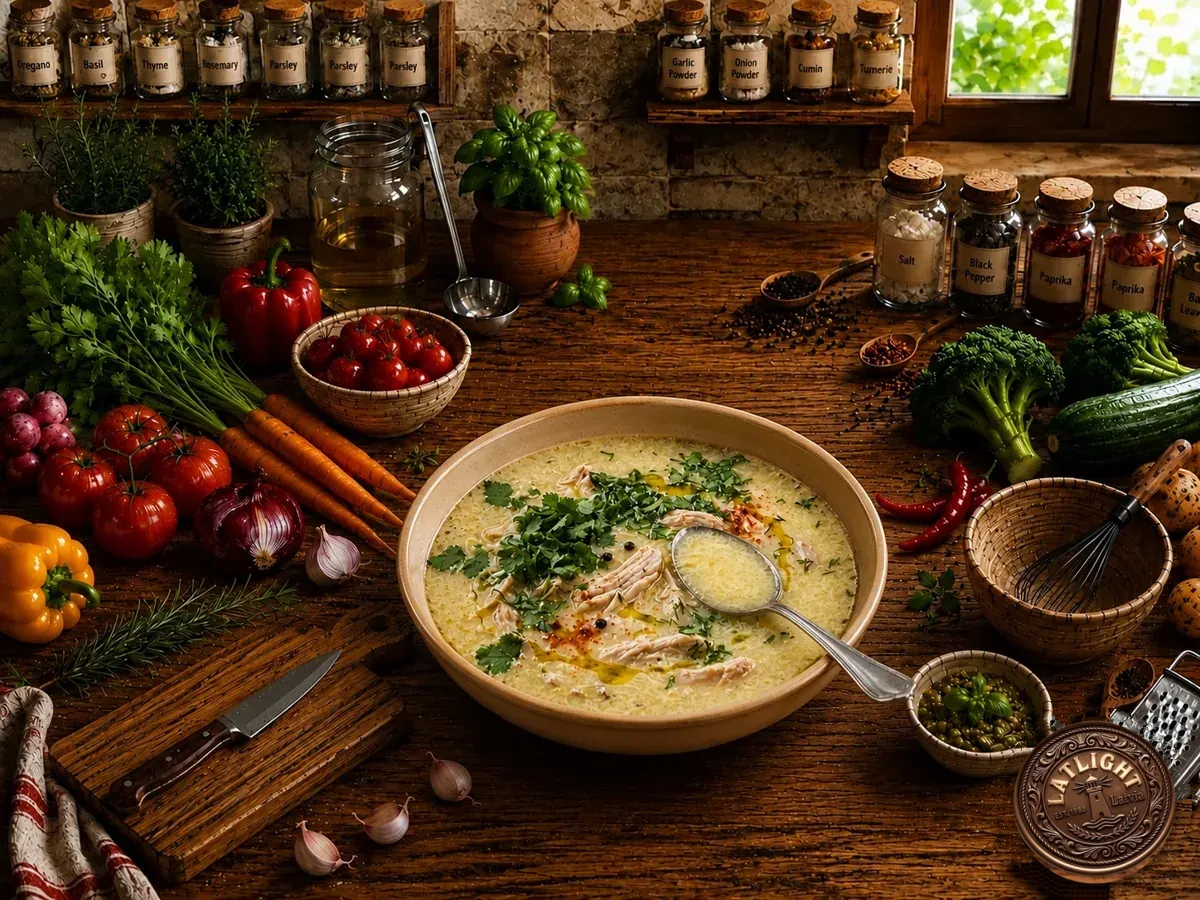
Georgian Chikhirtma Soup
1. Cook the broth:
Boil the whole chicken in water until tender, skimming the foam.
Take the chicken out and strain the broth.
2. Fry the chicken:
Cut the chicken into pieces at the joints and fry them in 100 g of butter until golden.
3. Fry the onions:
In another 100 g of butter, fry the chopped onions until they turn golden.
4. Combine:
Put the chicken and onions into the strained broth and bring it back to a gentle heat.
5. Thicken with eggs:
Beat the eggs and whisk in a ladle of warm broth, then pour the mixture into the soup in a thin stream,
stirring constantly. Keep the soup just below boiling so the eggs do not curdle.
6. Season & serve:
Season to taste with vinegar or lemon juice and salt, then sprinkle with pepper
and chopped parsley or dill.
Georgian Chikhirtma Soup
History & OriginsChikhirtma is one of the best-known soups of Georgian cuisine: a rich chicken broth with fried onions, thickened with eggs and sharpened with a touch of vinegar or lemon juice. This version is recipe no. 30, "Суп грузинский чихиртма", from a Russian-language cookbook.

Fish Baked in Fig Leaves
1. Prepare the fish and leaves:
Scale and gut the fish, rinse it and pat it dry with a paper towel.
Rinse the fig leaves and scald them with boiling water so they turn soft and pliable.
2. Season:
Rub the fish inside and out with olive oil and coarse sea salt,
and tuck the oregano or savory into the cavity.
3. Wrap:
Lay the leaves out overlapping, place the fish on top and wrap it snugly.
Tie with kitchen twine if needed and drizzle with a little more oil.
4. Bake:
Bake at 200°C for about 20–25 minutes, depending on the size of the fish,
until the flesh is opaque and flakes easily.
5. Serve:
Let it rest for a couple of minutes, unwrap at the table and finish with a drizzle of olive oil.
The leaves are there for aroma and moisture, so they are not eaten.
Fish Baked in Fig Leaves
History & OriginsWrapping fish in leaves is one of the oldest Mediterranean ways of cooking. When heated, fig leaves release essential oils with a light woody, herbal aroma, and they keep moisture inside so the fish does not dry out. This version follows an ancient Greek style: just fish, olive oil, wild herbs and salt. Note that the ancient Greeks of the classical period did not use lemon, because citrus reached the Mediterranean much later.
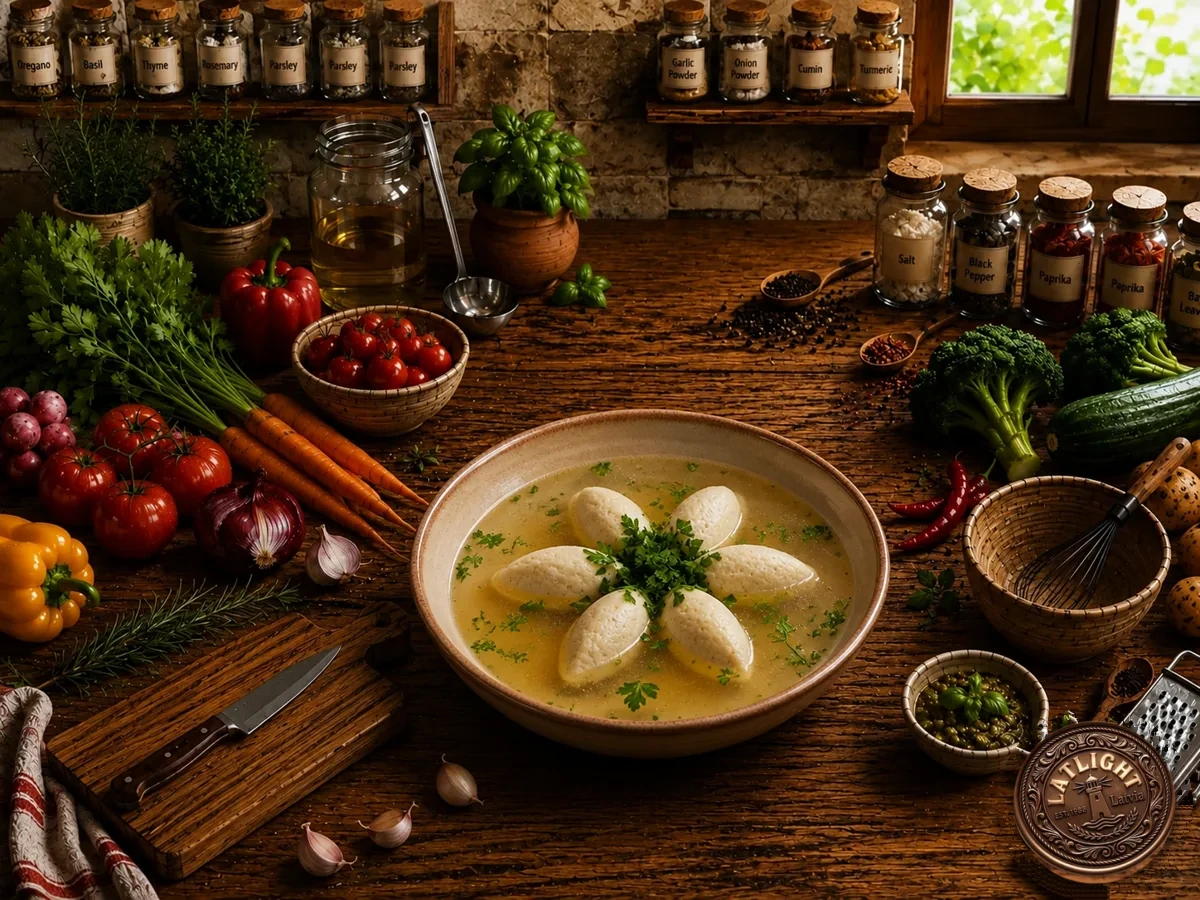
Chicken Quenelles in Broth
1. Make the mixture:
Chop the raw chicken fillet as finely as possible, or pass it through a meat grinder several times.
Then pound it in a mortar, add the bread soaked in cream, and pound everything well again.
Work in the softened butter and the eggs, and finally rub the mixture through a sieve.
2. Shape the quenelles:
Just before serving, take the mixture with a spoon dipped in hot water, smooth each quenelle
with a wet knife, and place it on a buttered sauté pan.
3. Poach:
About 10 minutes before serving, pour boiling broth over the pan, pouring it beside the
quenelles, not on top of them. Set the pan on the stove without letting it come to a boil.
4. Turn:
After 3–5 minutes, carefully turn the quenelles and let them stand on the stove
for another five minutes.
5. Serve:
Lift them out gently with a slotted spoon, place them in a bowl with hot broth,
and serve at once.
Chicken Quenelles in Broth
History & OriginsThe Russian knel (кнель) comes from the French quenelle: a delicate dumpling of finely pounded meat or fish, bound with bread or eggs and poached gently in broth. It is a classic of French cuisine that entered Russian cookbooks and was adapted there. This version is recipe no. 101, "Кнель из кур", from a Russian-language cookbook.
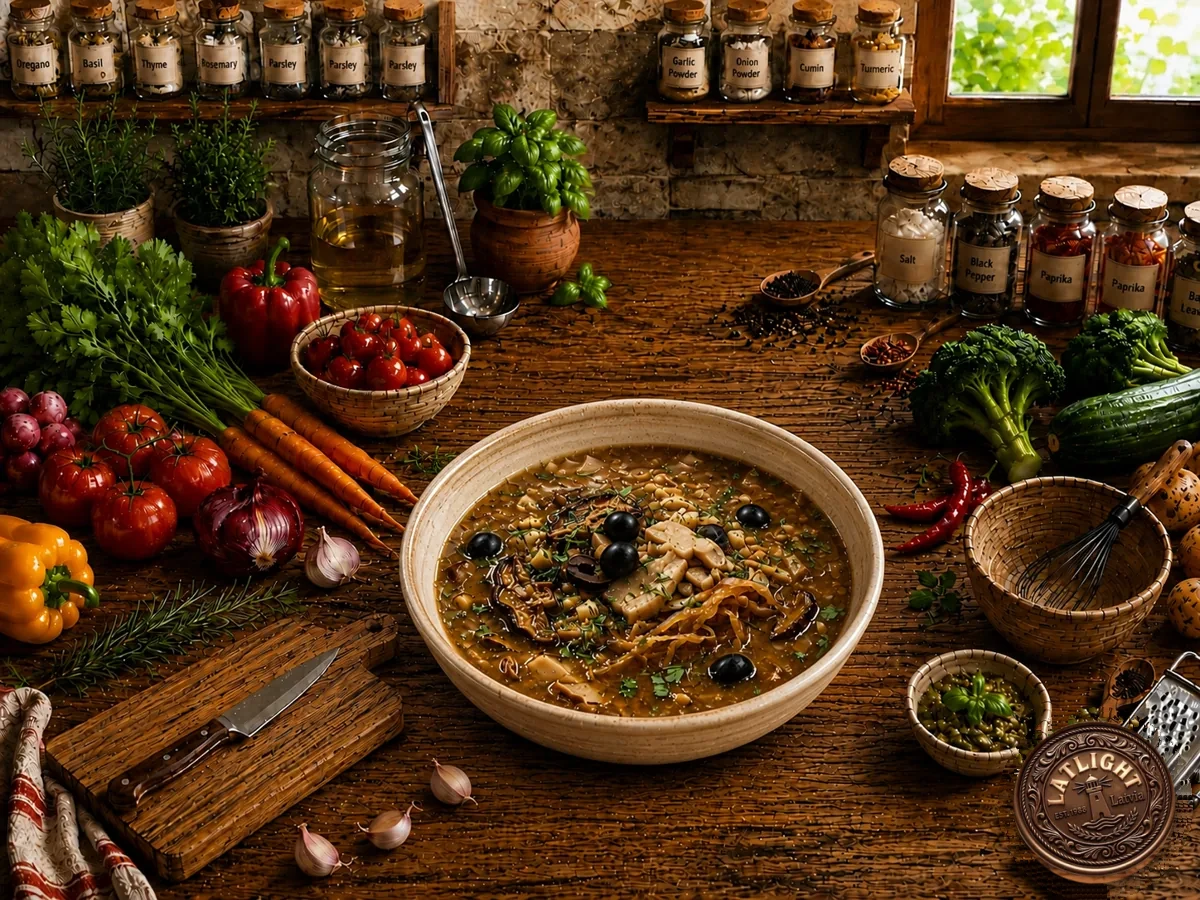
Mushroom Solyanka (Lenten)
1. Prepare the mushrooms:
Soak the dried mushrooms in warm water until soft.
Cut the soaked dried mushrooms, the salted mushrooms
and the sauerkraut into thin slices.
2. Start the pot:
Place the mushrooms and sauerkraut in a pot, add the
lenten oil, and stir over gentle heat for a few minutes.
3. Add the roots & spices:
Add the chopped root vegetables and the spices,
then pour in water (use the mushroom soaking liquid
for extra flavor).
4. Simmer:
Cover and simmer gently until everything is fully
cooked and the flavors have blended.
5. Finish:
If you like, add a handful of olives. Thicken the soup
with the flour, stirring well, and simmer for
another couple of minutes before serving.
Mushroom Solyanka (Lenten)
History & OriginsSolyanka is a traditional Russian soup with a rich, sour and salty character. This is the lenten (postnaya) version from a Russian-language cookbook (recipe no. 67, "Солянка грибная (постная)"): made without meat or fish, it relies on dried and salted mushrooms, sauerkraut and vegetable oil, which made it a staple for fasting days.
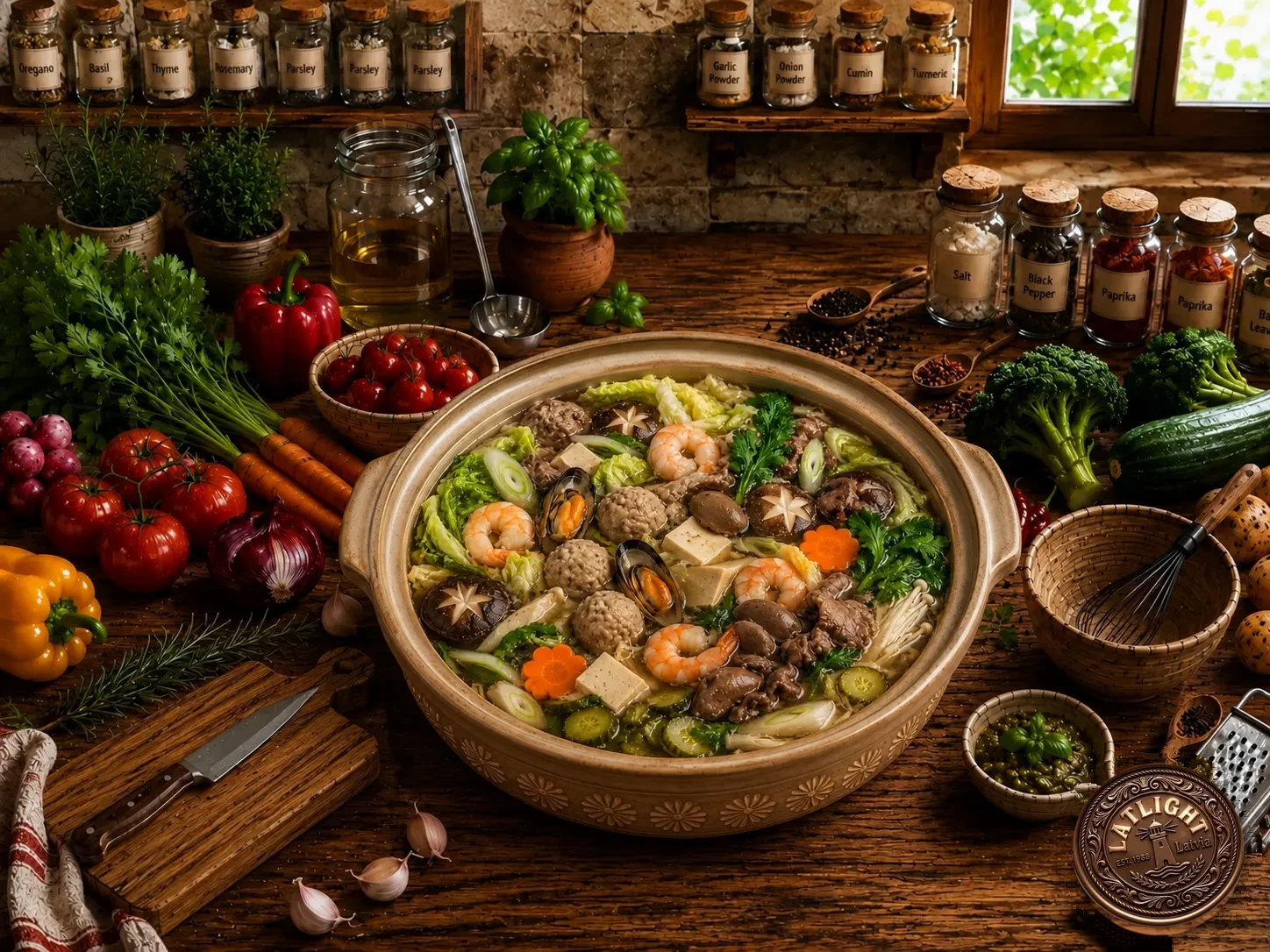
Chanko Nabe (Sumo Hot Pot)
1. Prepare the broth:
In a large heavy-bottomed pot (like a donabe),
heat a rich chicken broth infused with dashi,
a splash of soy sauce, mirin and sake.
Seasonings to taste - ginger, white/yellow miso,
garlic.
2. Prep the ingredients:
Slice the shiitake mushrooms, tofu, carrots,
and cabbage. Mix minced chicken with ginger
and green onions, then form into small meatballs.
3. Assemble:
Carefully arrange the cabbage, mushrooms,
meatballs, thinly sliced beef, fresh shrimp,
and mussels beautifully in the simmering broth.
4. Simmer & Serve:
Cover and simmer gently until the meatballs
and seafood are fully cooked. Serve straight
from the pot!
Chanko Nabe
History & OriginsChanko Nabe has a rich history and cultural significance in Japan. It is believed to have originated in the Edo period (1603-1868) when sumo wrestlers would gather around a hot pot to share a meal and bond with each other.
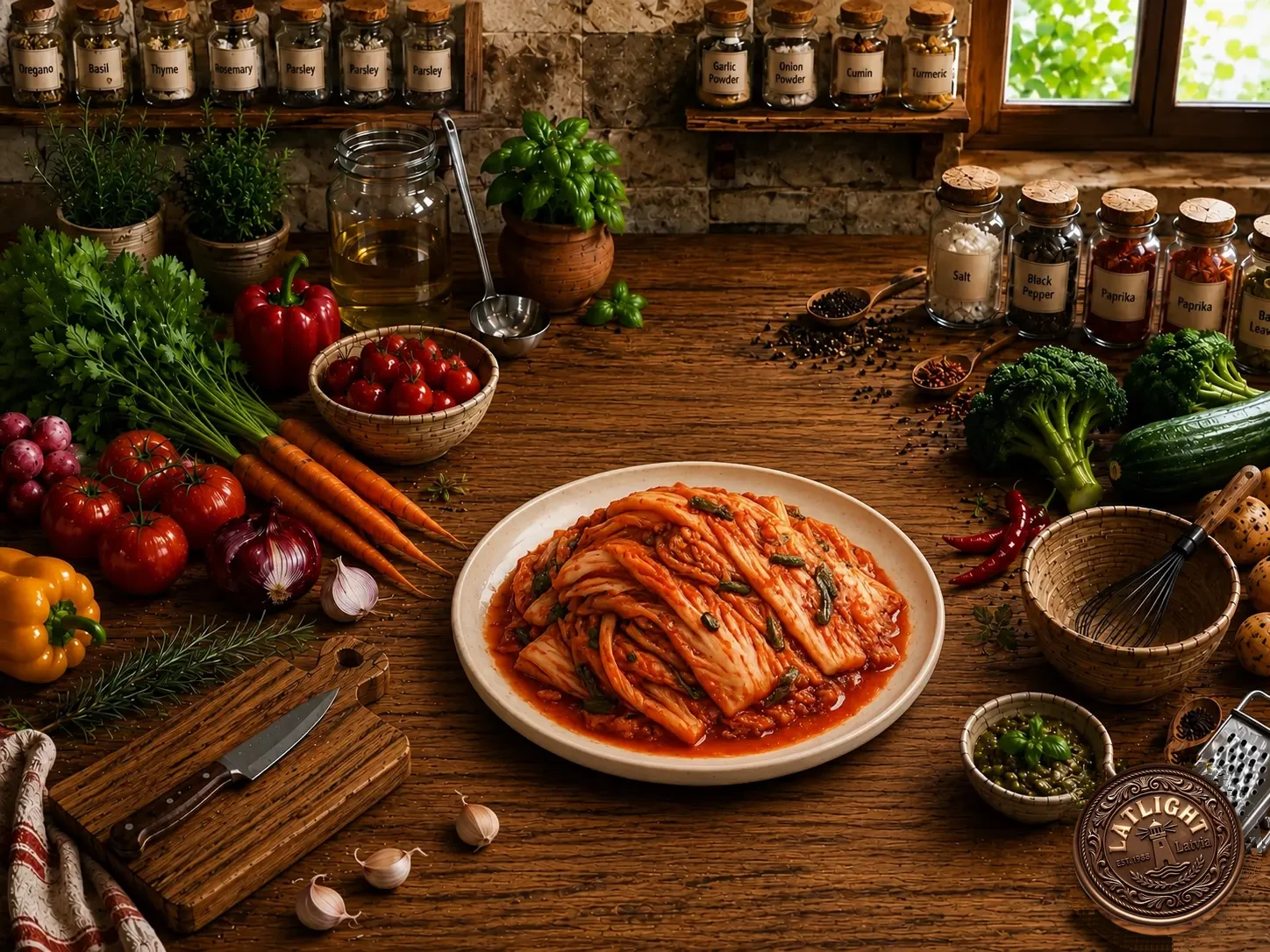
Classic Homemade Kimchi
1. Salt the cabbage:
Quarter the Napa cabbage, massage coarse sea salt
between the leaves, and let it rest for 2 hours
until wilted. Rinse thoroughly and drain.
2. Make the paste:
Blend garlic, ginger, onion, and fish sauce into
a smooth puree. Stir in the Korean red pepper
flakes (gochugaru) until a thick paste forms.
3. Combine:
Mix chopped scallions into the paste. Using gloves,
rub the spicy mixture evenly over every single
cabbage leaf.
4. Ferment:
Pack the coated cabbage tightly into a sterilized jar,
pressing down to remove air pockets. Let it ferment
at room temperature for 1 to 2 days before moving
it to the fridge.
Classic Homemade Kimchi
History & OriginsThe history of Kimchi dates back over 2,000 years to the Three Kingdoms period (around 37 BCE to 668 CE). Early forms of Kimchi were not spicy and mainly consisted of vegetables preserved in salt to survive harsh winters. These ancient fermented dishes laid the foundation for the Kimchi we know today.
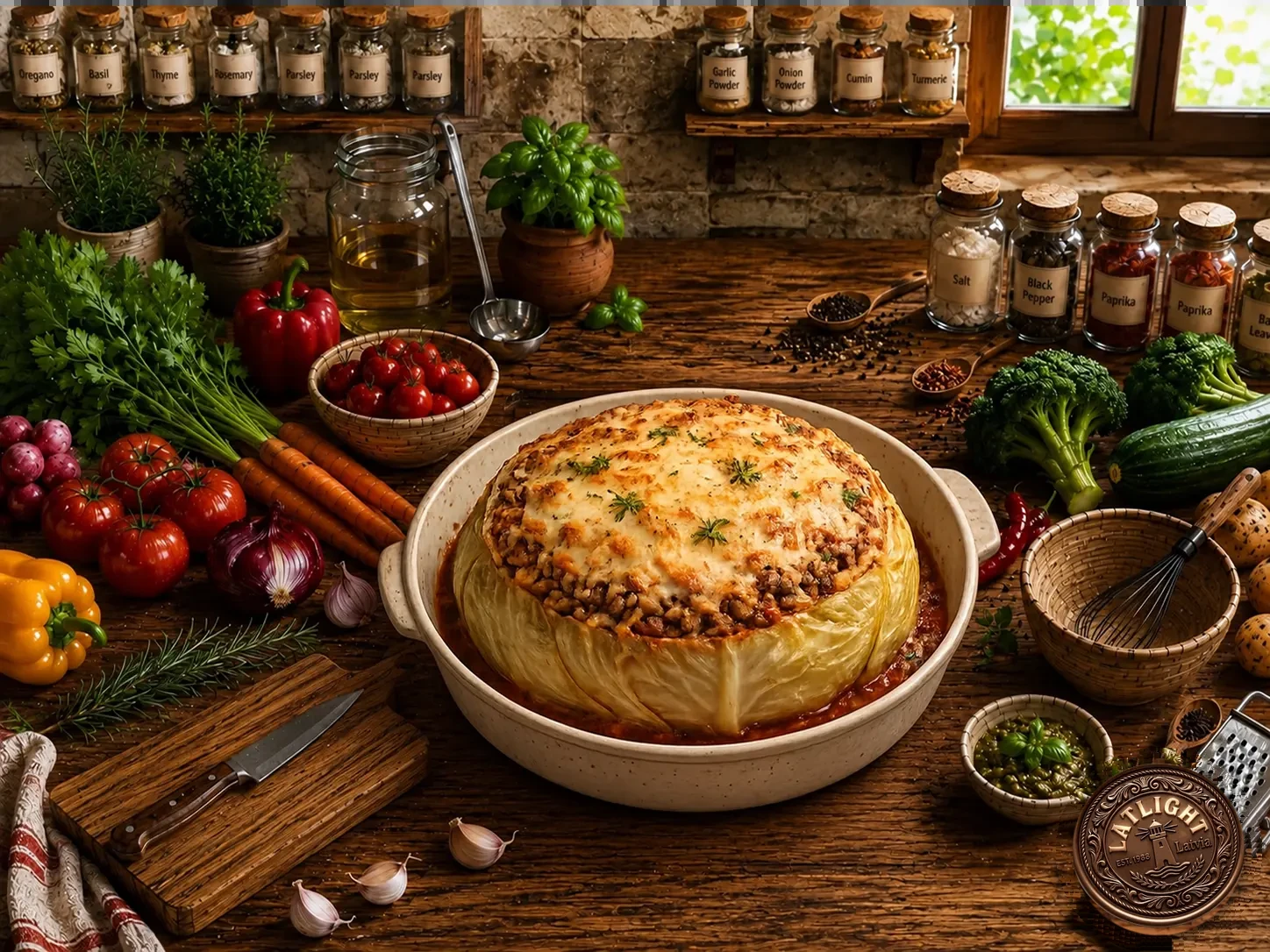
Baked Stuffed Whole Cabbage
1. Prep the cabbage:
Carefully hollow out the center of a large whole
cabbage. Parboil the cabbage in salted water for
10 minutes to soften the leaves, then drain completely.
2. Mix the filling:
In a bowl, combine ground meat, cooked rice, sautéed
diced onions, minced garlic, salt, pepper, and your
favorite herbs.
3. Stuff & Bake:
Pack the meat and rice mixture tightly into the hollowed
core of the cabbage. Place it in a deep baking dish
surrounded by rich tomato sauce. Cover and bake at
180°C for 1.5 hours.
4. Cheesy Finish:
Remove the cover, generously top the cabbage with
grated cheese, and bake for another 15 minutes until
the cheese is melted, bubbling, and golden brown.
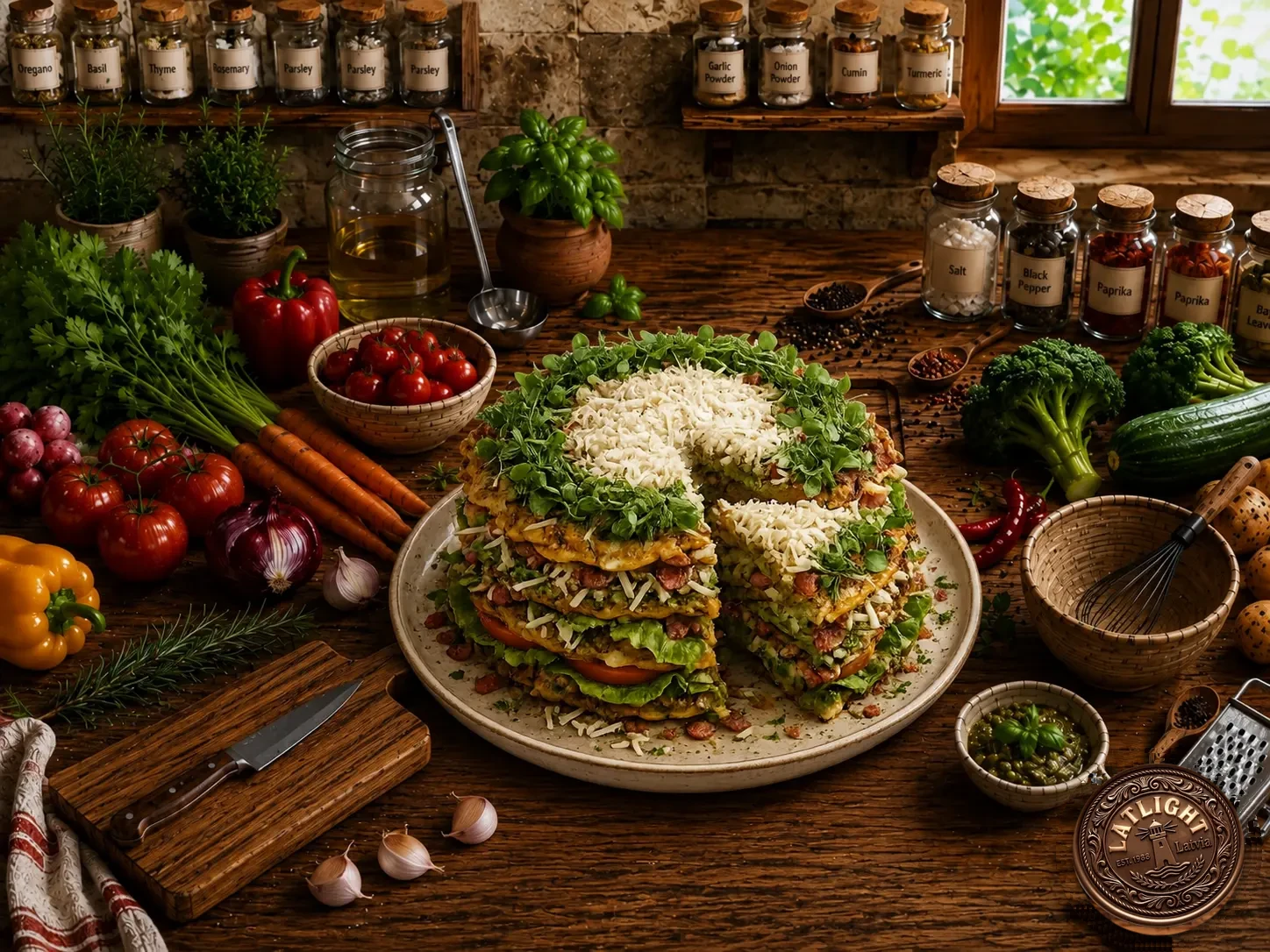
Savory Layered Potato Pancake Cake
1. Make the pancakes:
Finely grate potatoes, mix with eggs, flour and
seasoning to taste. Fry full-sized, thin pancakes
in a pan until lightly golden on both sides and set aside.
2. Prep the filling:
Slice tomatoes, crisp the chopped bacon or small
sausages, shred lettuce, and grate plenty of cheese.
3. Assemble the layers:
Build the cake layer-by-layer: place a pancake base,
spread pesto or savory sauce, top with lettuce,
sliced tomatoes, cooked bacon, and grated cheese.
Repeat until all layers are built.
4. Garnish & Serve:
Top the final layer generously with fresh microgreens,
sprouts, and extra grated cheese. Slice into cake wedges
and enjoy!
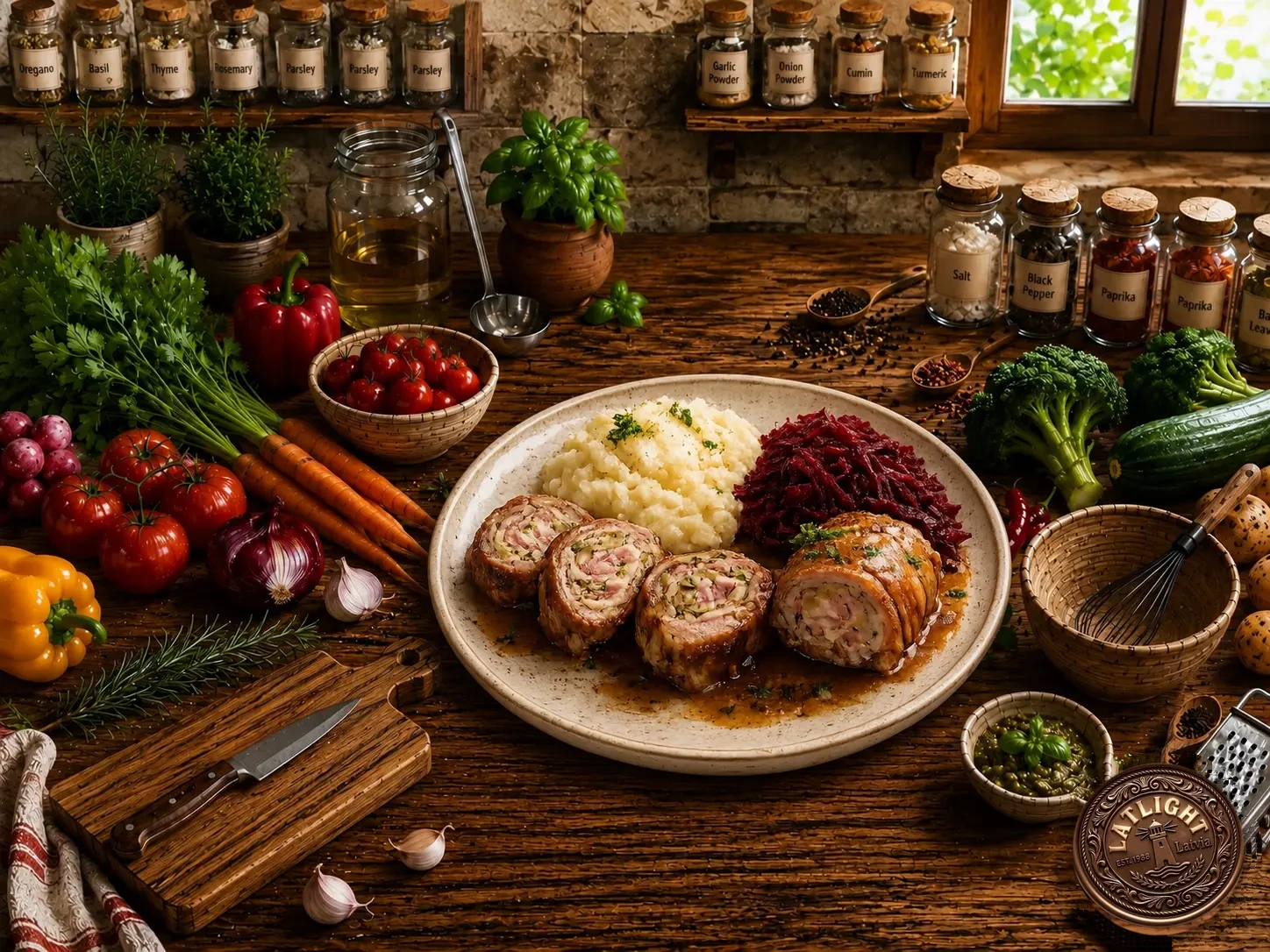
Polish Braised Beef Rolls (Zrazy)
1. Prepare the beef:
Thinly slice and pound the beef steaks until flat.
Season with salt and pepper, then spread a thin layer
of mustard over one side.
2. Fill and roll:
Place bacon strips, sliced dill pickles, and thin onion
wedges onto each steak piece. Roll tightly and secure
with kitchen string or toothpicks.
3. Sear and braise:
Heat oil in a pan and sear beef rolls until browned
on all sides. Add beef stock, bay leaves, and simmer
covered for 45-60 minutes until tender.
4. Serve:
Discard strings/toothpicks and thicken the pan gravy.
Serve warm alongside creamy mashed potatoes and
shredded cooked beet salad.
Polish Braised Beef Rolls (Zrazy)
History & OriginsZrazy emerged as a culinary creation during the Polish-Lithuanian Commonwealth between the 16th and 18th centuries, reflecting the sophisticated tastes of the nobility in this vast multi-ethnic state.
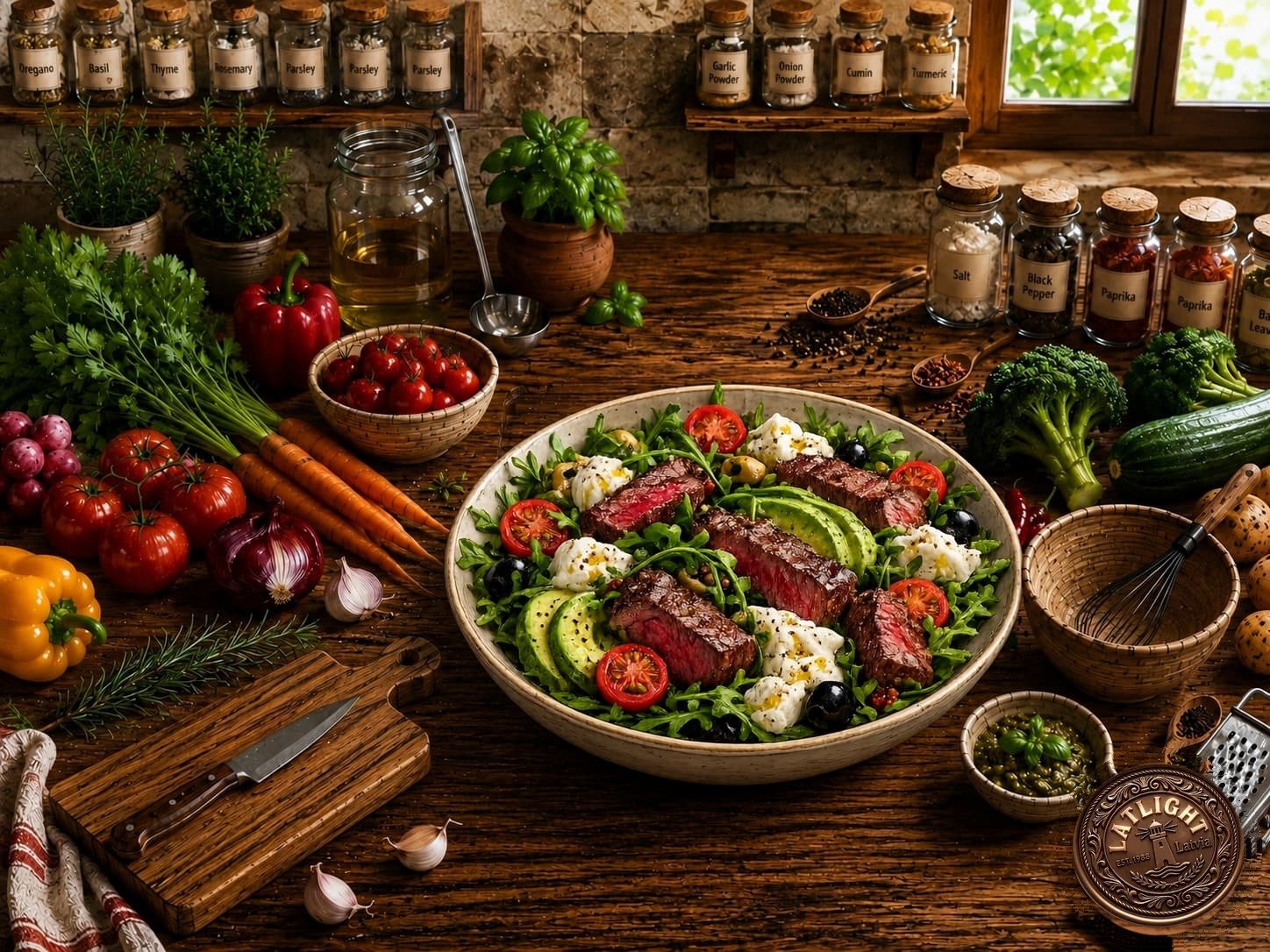
Denchik's Steak & Avocado Salad
1. Prepare the beef:
Cut the beef into uniform cubes. Sear quickly in a
hot pan until it reaches a perfect medium-rare
doneness, then set aside to rest briefly.
2. Prep the veggies:
Thoroughly wash the arugula. Dice the avocado,
cucumber, and sweet bell pepper. Halve the small
tomatoes.
3. Toss:
In a large salad bowl, combine the fresh greens,
diced vegetables, black olives, green olives,
and mozzarella chunks. Gently fold in the
medium-rare beef cubes.
4. Dress & Serve:
Drizzle generously with olive oil and season to taste
with your favorite spices. Toss gently and enjoy fresh!
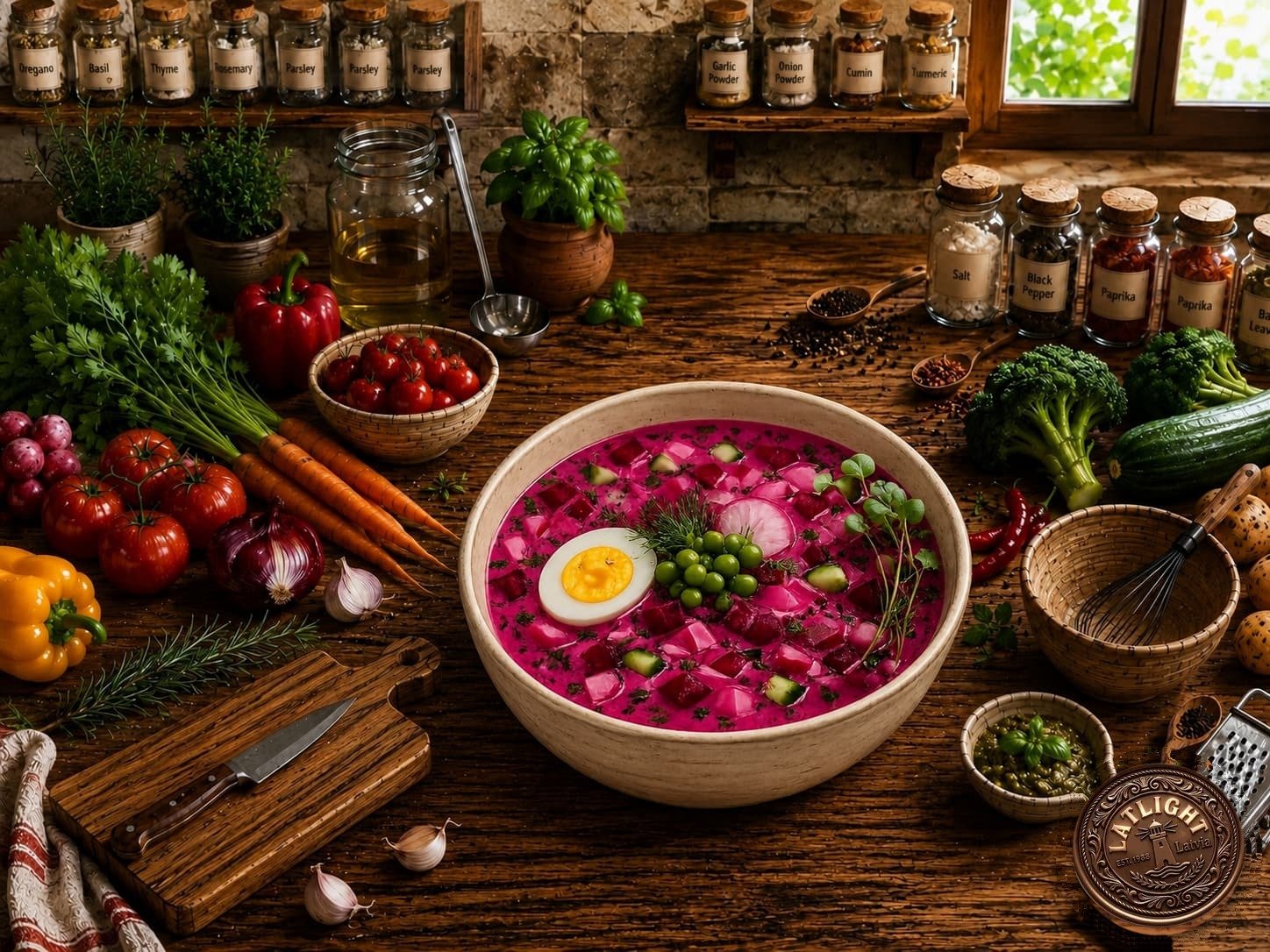
Cold Beetroot Summer Soup
1. Prepare:
Combine the grated boiled beetroot, finely diced
mortadella, grated horseradish, and grated cucumber.
Add the chopped spring onions, dill, and parsley.
2. Season:
Mix everything together with a touch of salt,
pepper, a tablespoon of mustard, and a tablespoon
of white vinegar.
3. Serve:
Pour the mixture into bowls, add the chilled kefir,
and top each serving with a halved or chopped
boiled egg. Enjoy cold!
Cold Beetroot Summer Soup
History & OriginsThe history of this unique dish dates back to the times of the Grand Duchy of Lithuania, the medieval state that at its greatest territorial extent in the 15th century stretched from the Baltic Sea to the Black Sea, encompassing what is now modern Lithuania, Belarus, much of Ukraine and parts of Poland and Russia.
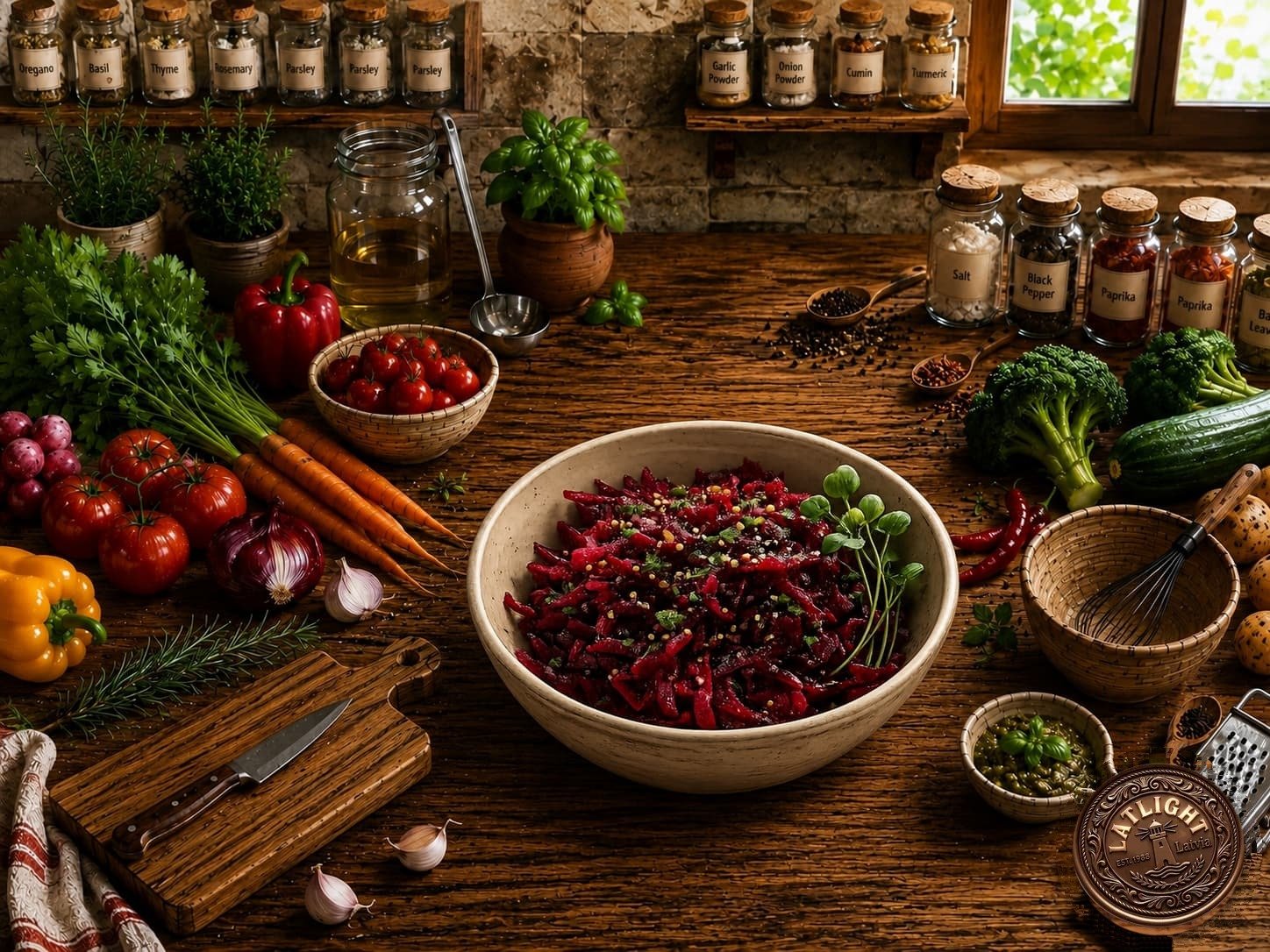
Marinated Beetroot & Cabbage Salad
1. Prepare salad:
Slice the cabbage and red onions, grate the fresh
beetroot, and add chili pepper flakes and minced
garlic to taste. Mix it all together in a bowl.
2. Prepare the marinade:
In 1 litre of filtered water, mix 100ml of white
vinegar, then add salt and sugar.
3. Combine:
Pack the salad mix into a sterile mason jar and
pour the marinade until the very top. Place the
bay leaf on top.
4. Cure:
Screw the lid on tightly and place the jar upside
down for 3 hours, then store in a cool, dry place
for 2 days. Good with all meats!
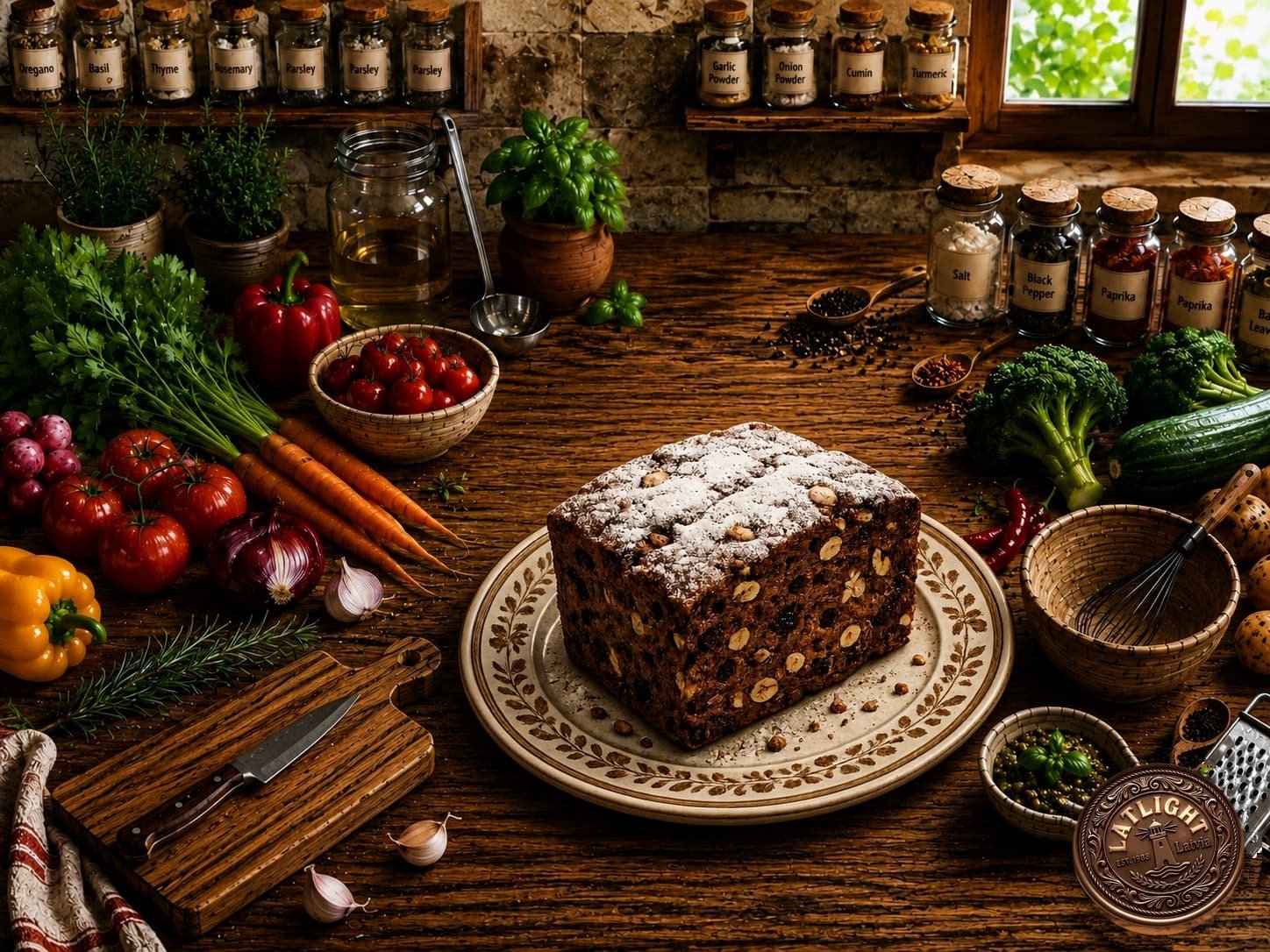
Sour Cream Cake / Kovrishka
1. Prepare the base:
Mix the baking soda into the sour cream and let
it sit for a minute to activate.
2. Mix:
Combine the sugar, eggs, butter, and jam. Add the
sour cream mixture, then stir in the flour.
3. Add-ins:
Fold in the chopped walnuts and raisins.
4. Prepare the Pan:
Grease a deep frying pan (or a cake mold) with
butter. Sprinkle the greased pan with breadcrumbs
to prevent sticking.
5. Bake:
Pour the batter into the pan. Bake on the middle
rack of the oven for 30-40 minutes.
Sour Cream Cake / Kovrishka
History & OriginsKovrizhka is a flat and tall gingerbread-like treat made from dough, with layers at least three centimeters thick, sometimes filled and sometimes not. It's one of the popular desserts in Russian cuisine, and the word 'kovrizhka' comes from 'kovrig,' which means a whole loaf of bread. The history of kovrizhki and gingerbreads in Russia goes back to the 9th century, though back then they were called honey cakes and were made from flour, honey, and berry juice. Different sources date the appearance of the word 'kovrizhka' to the 13th–15th centuries. The main ingredients of kovrizhka are flour, honey, raisins, nuts, and sugar. Often, kovrizhka has two layers of dough with a layer of jam or fruit preserves in between. The top layer of dough is covered with icing made from powdered sugar.
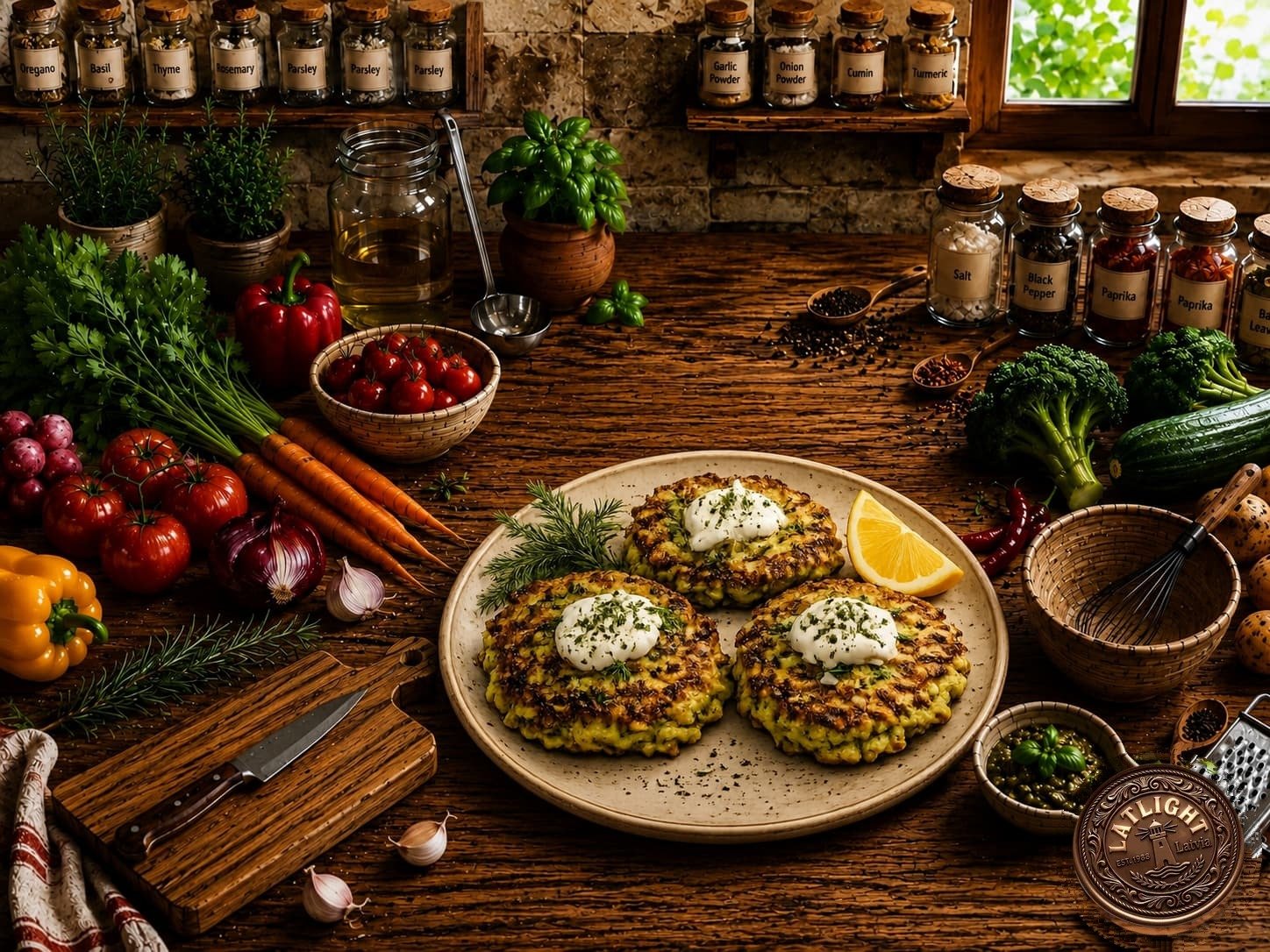
Potato Pancakes / Draniki
1. Combine:
Finely grate potatoes and onion; squeeze firmly
to remove excess moisture.
2. Mix:
Incorporate the egg, flour, and seasoning until
the batter is well-bound.
3. Shape:
Dollop generous spoonfuls of the mixture into
the hot skillet, pressing gently to form uniform rounds.
4. Fry:
Sear over medium heat until the edges are crisp
and both sides reach a deep golden brown.
Potato Pancakes / Draniki
History & OriginsDraniki can be traced back to the rural traditions of Belarus, where potatoes were first introduced in the late 18th century. Initially, this versatile tuber was met with skepticism, but it quickly became a staple in the Belarusian diet.
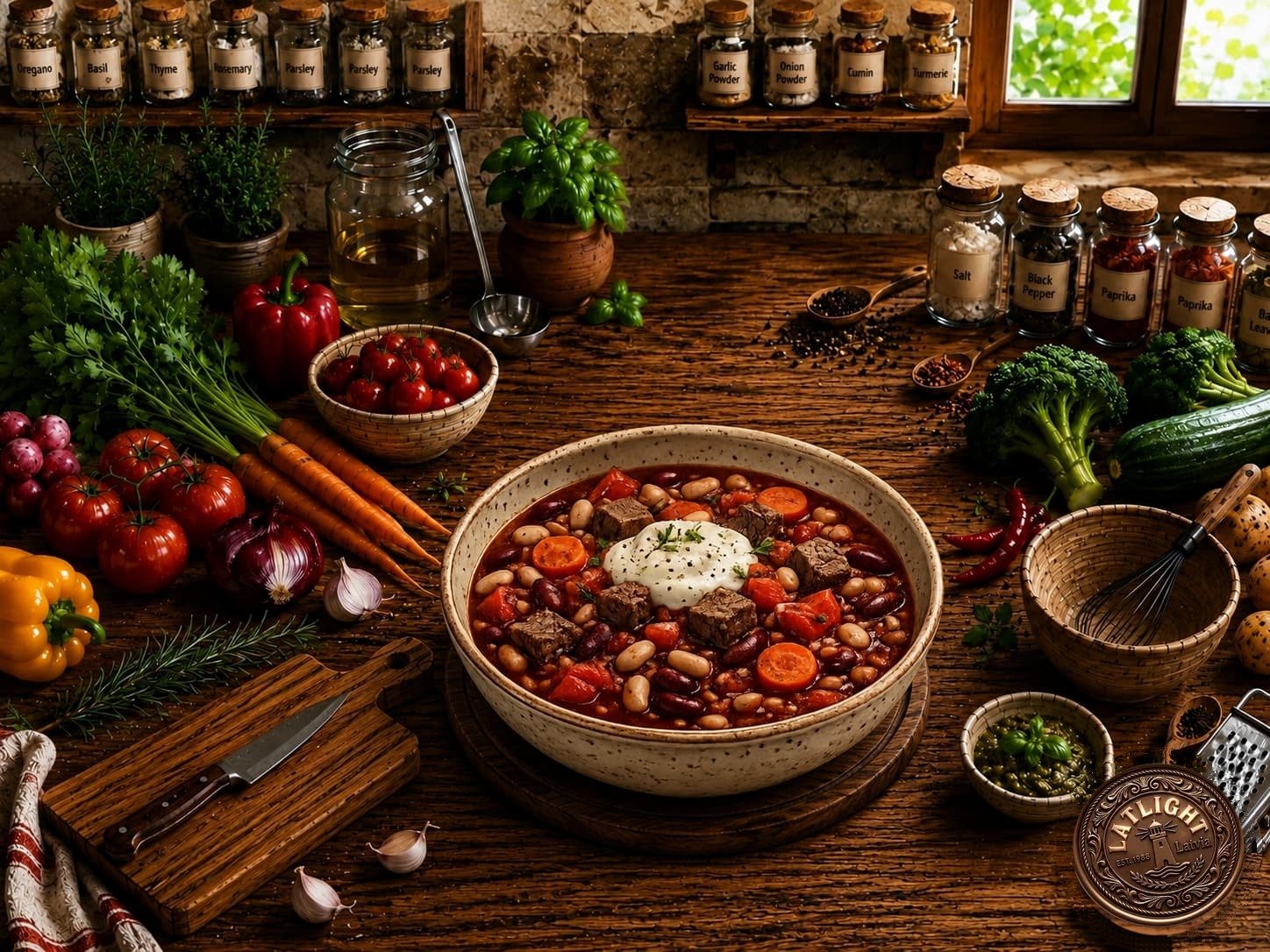
Mexican Hearty Beef & Bean Stew - Chili con carne
1. Sear:
Fry the bacon until crispy; remove and sear the beef
cubes in the remaining fat until browned.
2. Sauté:
Add diced onion, carrot, and paprika. Stir in minced
garlic, chili powder, and cumin for one minute.
3. Simmer:
Pour in tomatoes and beef broth. Season with salt
and pepper, cover, and simmer for 1 hour.
4. Finish:
Add the white and red beans. Simmer uncovered for
20-30 minutes until the beef is tender.
Mexican Hearty Beef & Bean Stew - Chili con carne
History & OriginsChili con carne originated in Mexico as 'carne con chile'—a beef-and-chili stew documented in Tenochtitlan since 1529. Spanish-introduced cattle transformed it into a ranchero staple, but its modern form evolved in Texas.
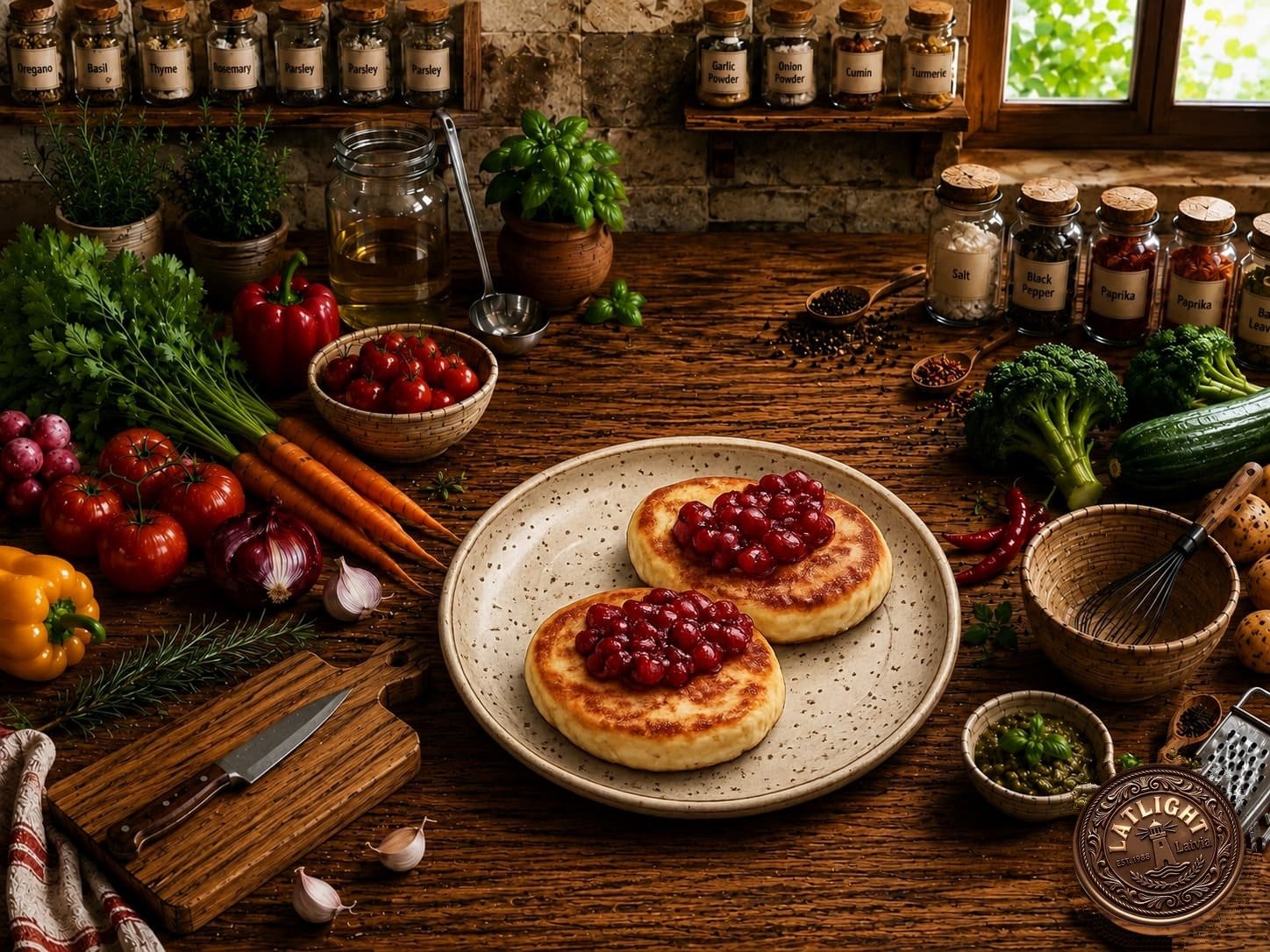
Syrniki or Quark patties
1. Combine:
Press the tvorog and banana through a sieve.
Add the egg, 3 tablespoons of flour, 4 tablespoons
of sugar, 8g of vanilla, and a pinch of salt.
2. Mix:
Mix everything until you reach a smooth,
uniform consistency.
3. Shape:
Roll the mixture into balls and coat them
(dredge) in flour.
4. Fry:
Fry in a pan over medium heat until golden brown
on both sides.
Syrniki or Quark Patties
History & OriginsThe modern form of syrniki emerged in the 19th century, gaining widespread popularity during the Soviet era as an affordable, nutritious meal using simple, everyday ingredients like tvorog, which was readily available in rural and urban households across Russia, Ukraine, Belarus, and other Slavic regions.
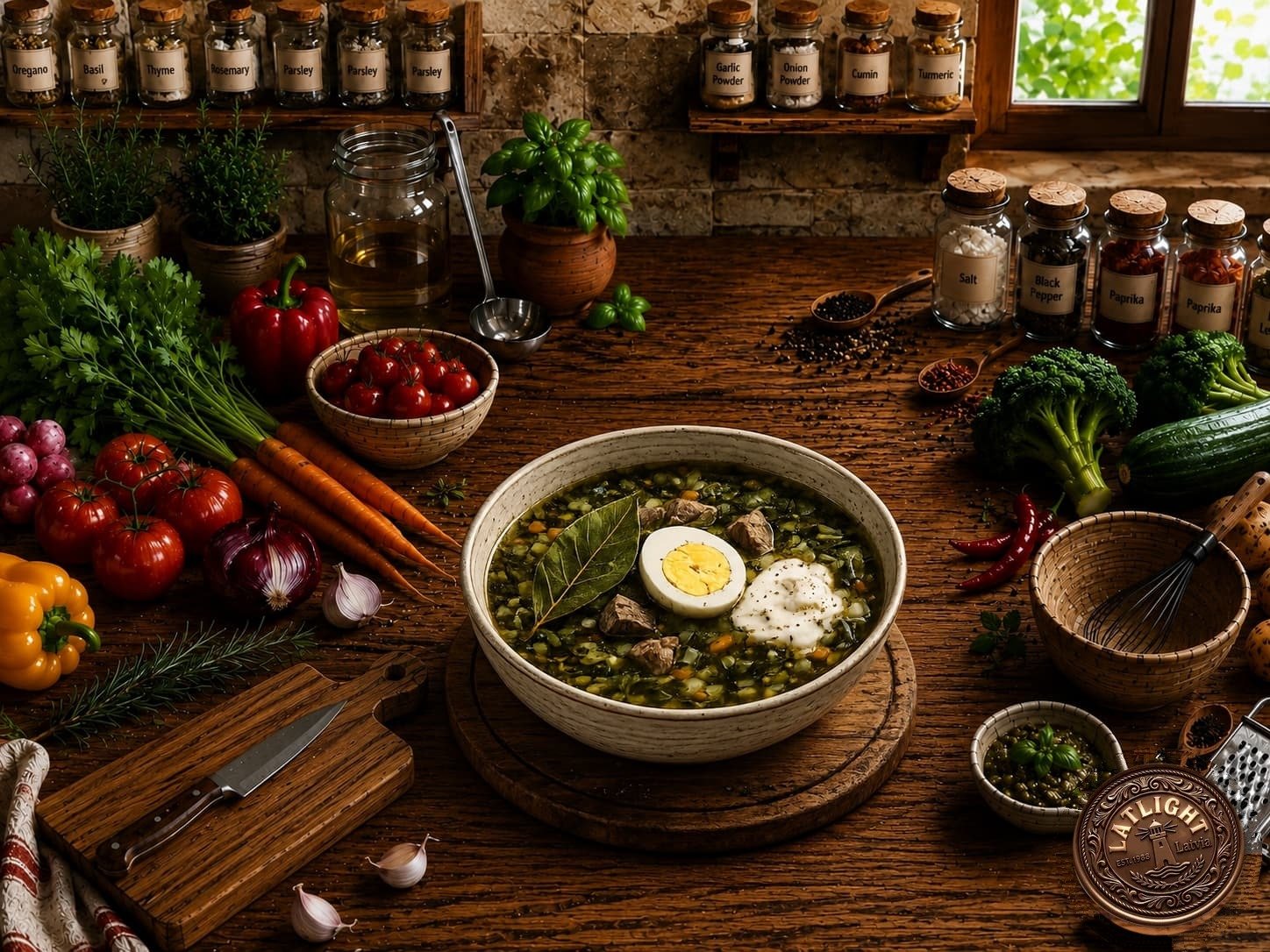
Green Shchi (Sorrel Soup)
1. Simmer the Broth:
Place the meat into 2 liters of cold water, bring to a boil, skim off any foam, and reduce the heat. Let it simmer gently for 1 to 1.5 hours until tender. Remove the meat, cut it into bite-sized pieces, and return it to the strained broth.
2. Add Potatoes & Aromatics
Bring the broth back to a simmer, add the cubed potatoes, bay leaves, and a pinch of salt.
3. Sauté the Roots:
While the potatoes soften (about 10–15 minutes), lightly sauté the chopped onions and grated carrots in a pan with a bit of butter or oil until golden and translucent, then add them to the pot.
4. Prep the Sorrel:
While the root vegetables finish cooking, wash and chop the sorrel. Steeping or wilting it slightly ahead of time helps tame its raw bite, though stirring it directly into the rolling soup at the final stage is standard.
5. The Final Melt:
Add the chopped sorrel to the pot. Let it simmer for just 3 to 5 minutes—sorrel cooks down instantly and turns an olive-green hue, releasing its signature oxalic acid tang into the broth. Taste and adjust seasoning with salt and pepper.
6. Serve:
Ladle hot into bowls, distributing chunks of tender meat, and top each portion with chopped hard-boiled eggs, fresh dill, and a generous dollop of sour cream to balance the acidity.
Green Shchi (Sorrel Soup)
History & OriginsOriginating among East Slavic tribes around the 9th century with the introduction of cabbage cultivation, shchi evolved from early liquid-based dishes into a cabbage-centric soup by the medieval period, with the first written mentions appearing as "shti" in 16th-century texts like the Domostroi, a household manual recommending it for all social classes.
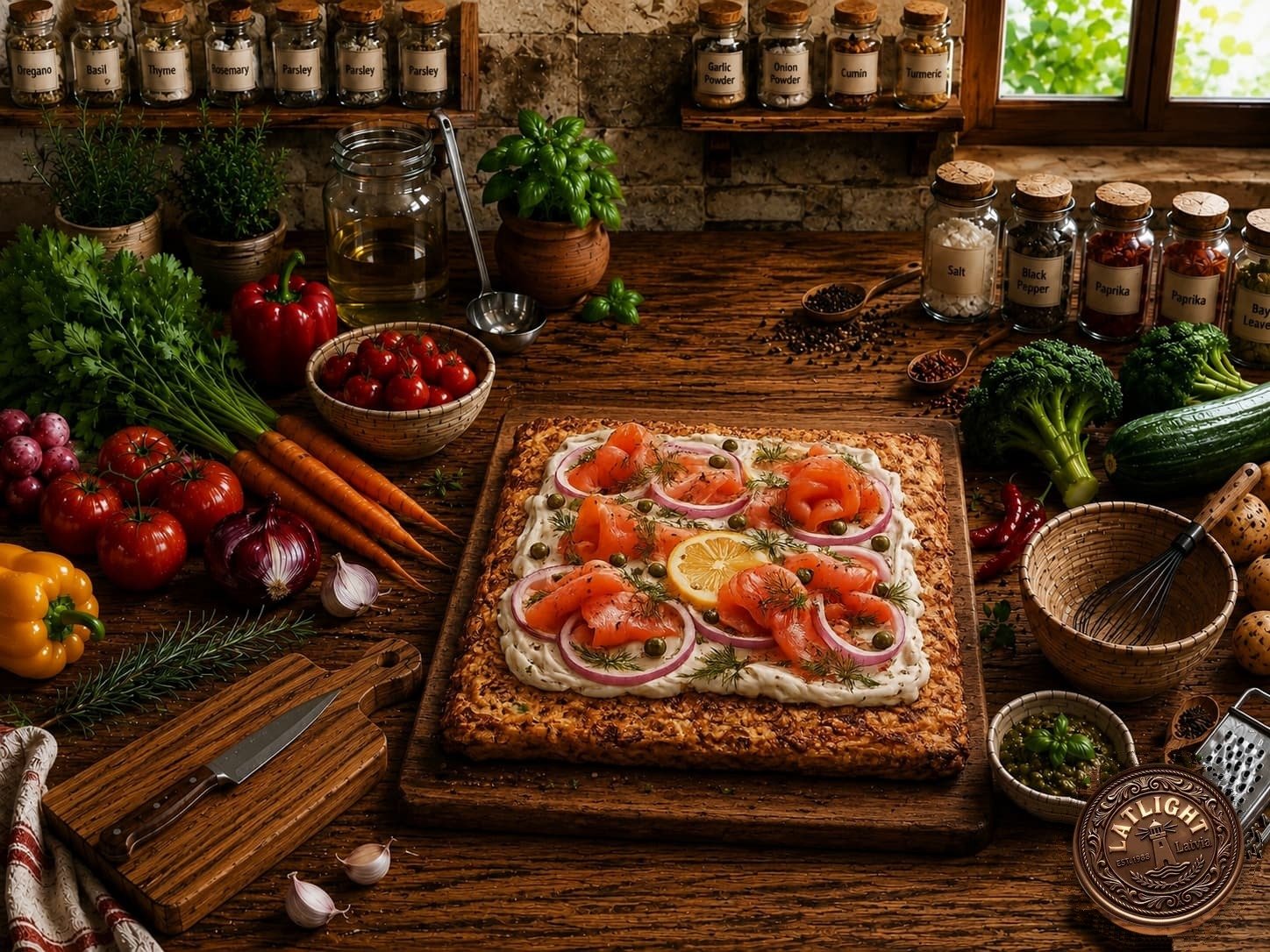
Potato Pizza with Salmon
1. Make the Crust:
Boil 1kg potatoes until tender, then mash them with the egg, oil, and flour until a workable dough forms.
2. Shape & Bake:
Shape the potato mixture into a pizza crust on a baking sheet and bake at 200°C for 20 minutes until golden.
3. Add Toppings:
Spread cream cheese over the warm crust and layer with sliced salmon.
4. Warm & Serve:
Return to the oven and warm for 5 minutes before serving.
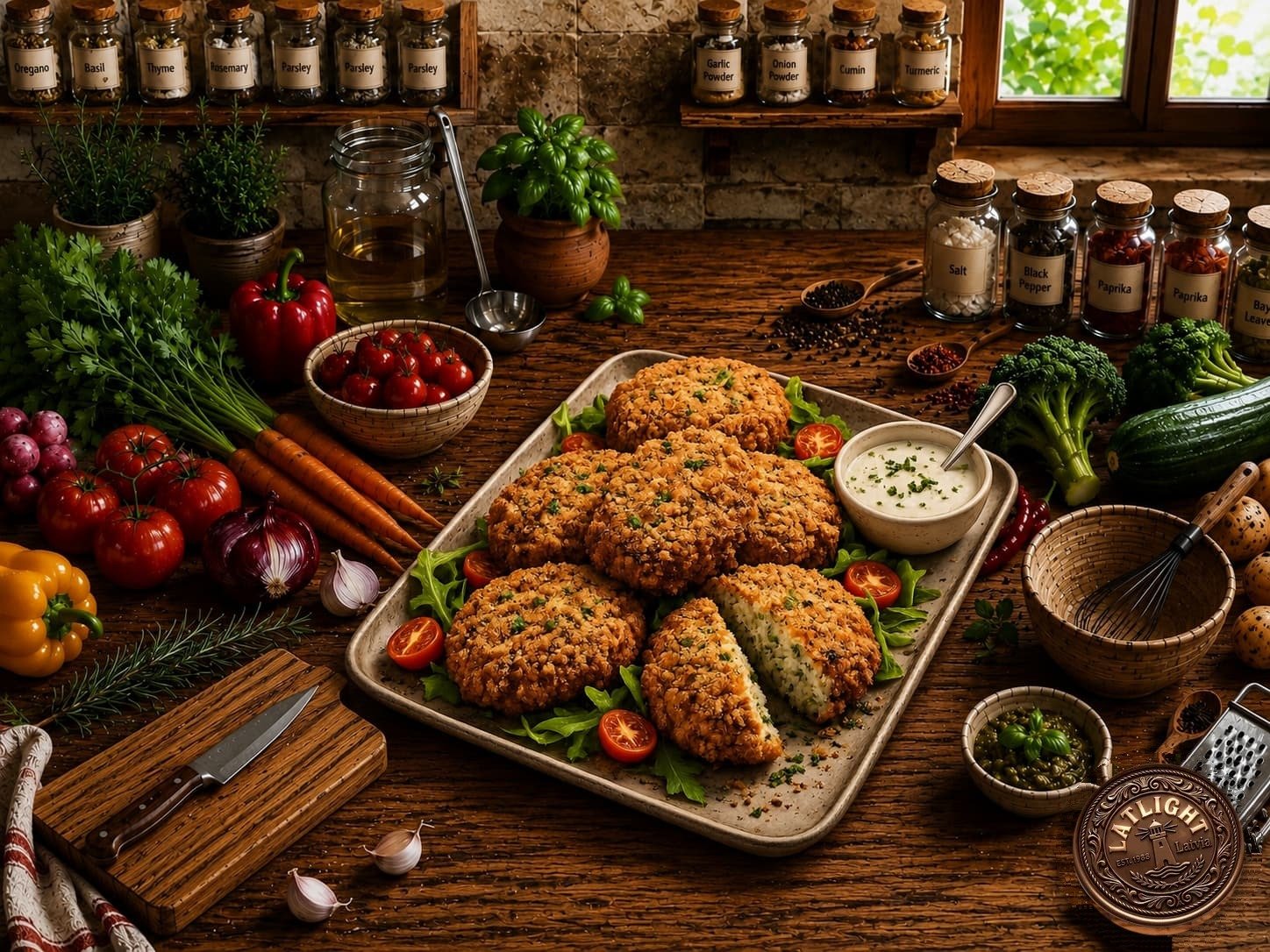
Golden Egg & Potato Patties
1. Mash Potatoes:
Mash the boiled potatoes while warm with a pat of butter until smooth.
2. Combine:
Gently fold in the grated boiled eggs, chopped herbs, and the raw egg. Season with salt and pepper.
3. Shape & Coat:
Shape the mixture into patties and coat each one thoroughly in breadcrumbs.
4. Fry:
Fry in a pan over medium heat with a little oil until golden-brown on both sides.
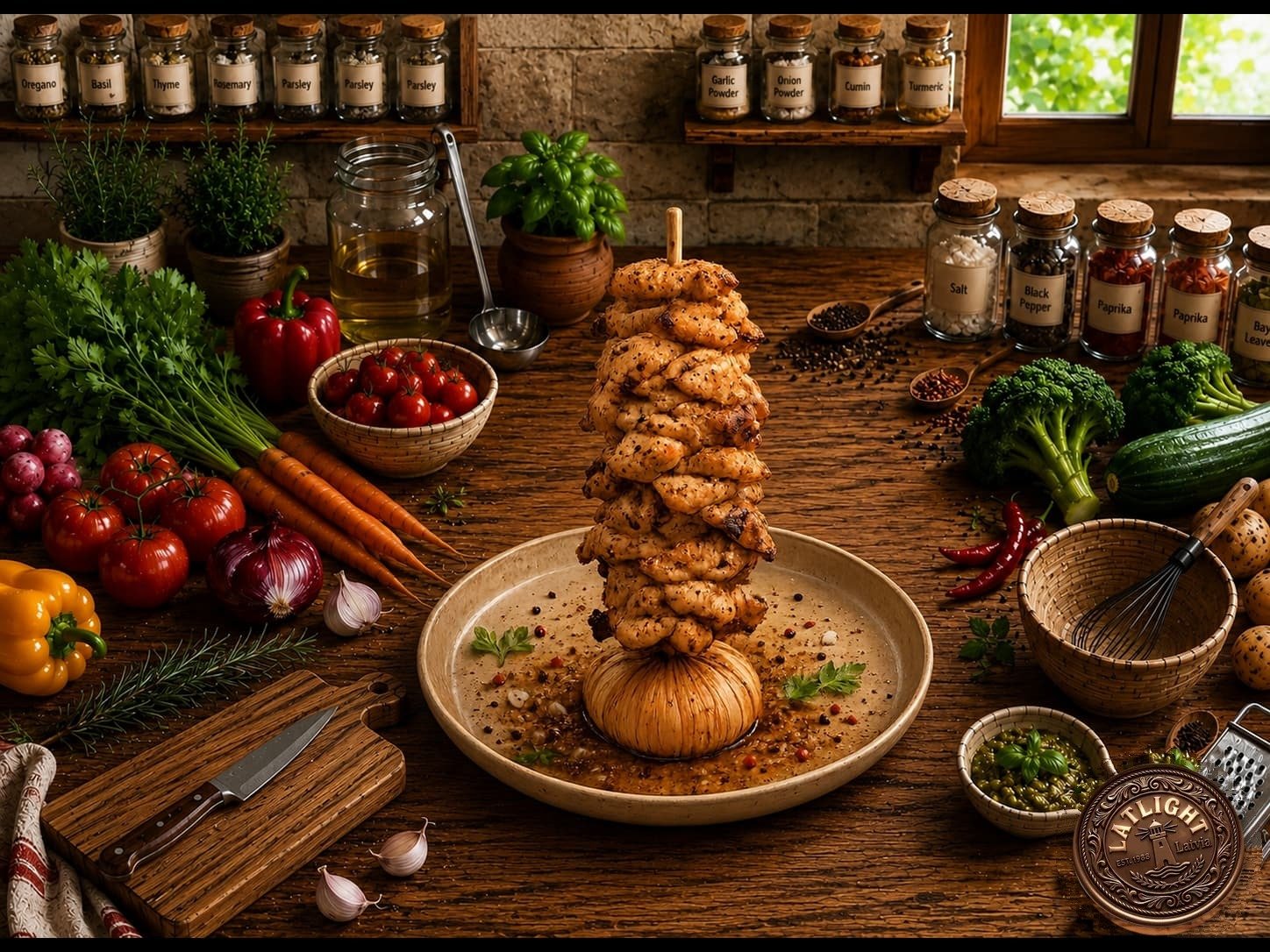
Chicken Kebab On The Onion
1. Marinate:
Coat chicken thighs in yogurt and your favorite spices, then let marinate for 2 hours.
2. Stack:
Build the vertical skewer using an onion base at the bottom, then stack the marinated thighs.
3. Roast:
Roast in the oven at 180°C for 2 hours until tender and deeply golden.
4. Serve:
Carve and serve wrapped in lavash with garlic sauce and your favorite veggies.
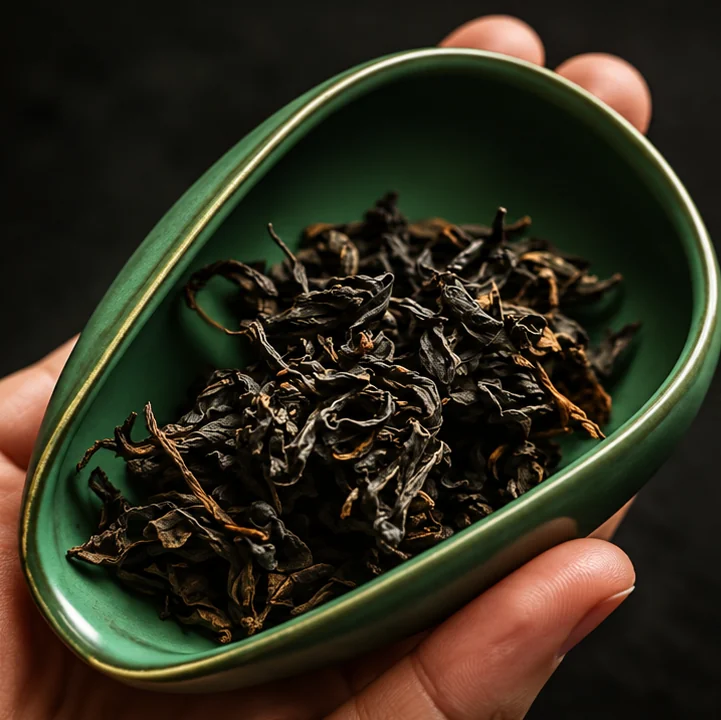
Feng Huang Dan Cong (Phoenix Mountain Oolong)
1. Warm the teaware: Rinse a 100–120 ml gaiwan or small clay teapot and the cups with boiling water, then pour it away.
2. Wake up the leaves: Add 6–7 g of tea, pour over water at 95–100 °C and pour it off after about 3 seconds. Breathe in the aroma from the lid.
3. First infusions: Brew for only 5 seconds, then 8, then 10. Dan Cong turns bitter quickly if it steeps too long, so pour off every drop each time.
4. Keep going: Add about 5 seconds with each new infusion. Good leaves give 8–10 infusions, and the honey and orchid notes change from cup to cup.
5. Western way: No gaiwan? Use 3 g per 250 ml at 95 °C for 2–3 minutes, and brew the leaves once or twice more.
Feng Huang Dan Cong
History & OriginsFeng Huang Dan Cong comes from Phoenix Mountain (Fenghuang Shan) near Chaozhou in Guangdong province, in the south of China. “Dan Cong” means “single bush”: traditionally, the leaves of each old tea tree were picked and processed separately, so that every bush had its own aroma.
It is a twisted, strip-style oolong, partly oxidised and then roasted. That gives the long dark leaves and a cup that is bright and fragrant, with honey, flowers and stone fruit, and a pleasant, lively bitterness that brings you back for the next infusion.
Dan Cong is famous for its many “fragrances” (xiang), each named after the aroma it recalls, such as honey orchid, almond or gardenia. It is best brewed the Chaozhou way: lots of leaves, very hot water and very short infusions.
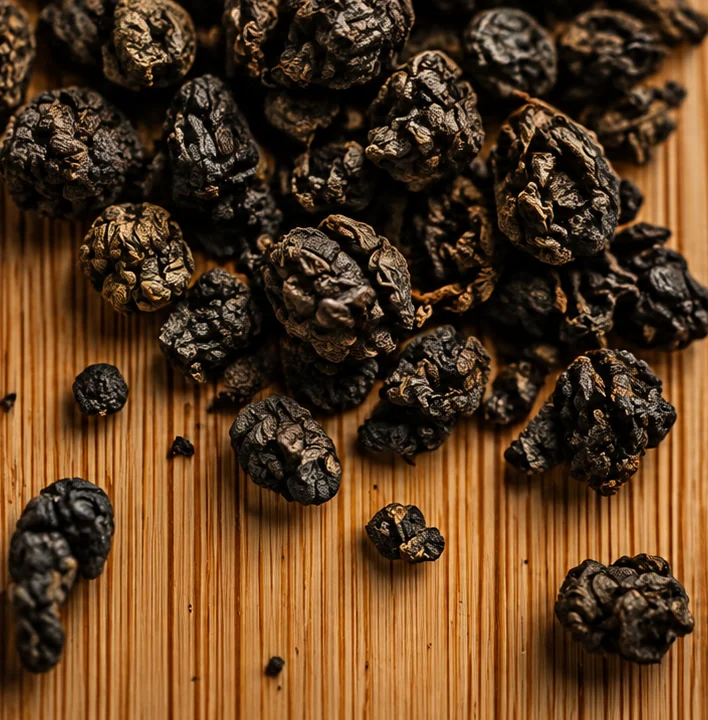
GABA Oolong “Blue Peak”
1. Warm the teaware: Rinse a 100–120 ml gaiwan or teapot and the cups with hot water, then pour it away.
2. Open the pearls: Add 6 g of tea, pour over water at 90–95 °C and pour it off after 5 seconds. The tightly rolled leaves need this rinse to start opening.
3. First infusions: Brew for 15 seconds, then 20, then 25. Look for the soft, velvety body and the notes of stewed apples.
4. Keep going: Add 5–10 seconds with each infusion as the leaves unfold. Expect 6–8 good infusions.
5. Western way: Use 4 g per 250 ml at 90–95 °C for 3 minutes. It also makes a smooth, malty cup when brewed a little longer.
GABA Oolong “Blue Peak”
History & OriginsGABA tea is a modern invention. It was developed in Japan in the 1980s by Dr Tsushida and colleagues at the national tea research institute, who found that fresh tea leaves kept for several hours in a sealed chamber filled with nitrogen, without oxygen, build up much more GABA (gamma-aminobutyric acid).
The method spread to Taiwan, where tea makers turned it into oolong: the leaves are rested in nitrogen, then oxidised, rolled into tight dark pearls and roasted. The result tastes quite unlike other oolongs: velvety and rounded, with notes of stewed apples and a gentle sourness.
That malty, bread-and-fruit character is why this one is often recommended to beer lovers. “Blue Peak” is the name of this particular tea.
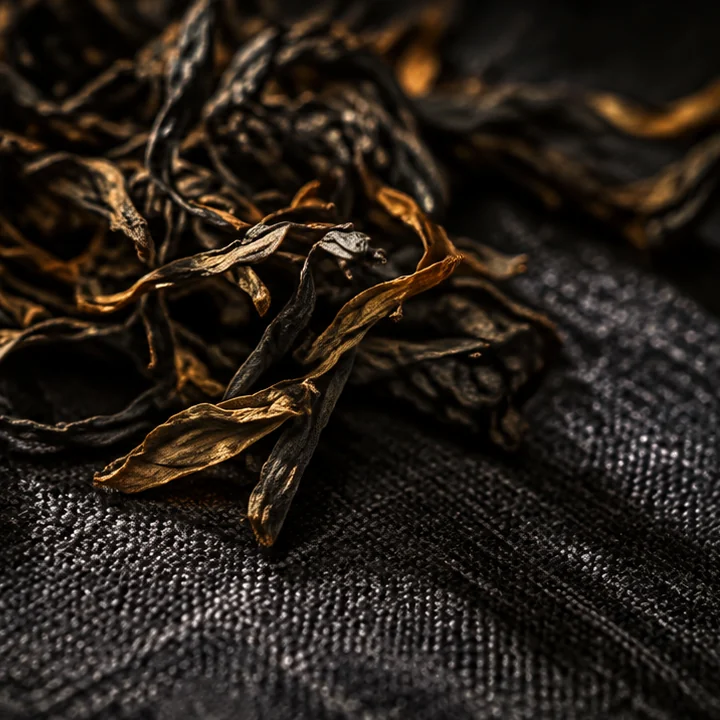
Mi Lan Xiang Dan Cong (Honey Orchid Oolong)
1. Warm the teaware: Rinse a 100–120 ml gaiwan and the cups with boiling water, then pour it away.
2. Wake up the leaves: Add 6 g of tea, pour over water at 95 °C and pour it off after 3 seconds. Smell the lid: ripe peach and honey.
3. First infusions: Brew for 5 seconds, then 8, then 10, pouring off every drop. Short infusions keep it sweet and floral instead of bitter.
4. Keep going: Add about 5 seconds with each infusion. Expect 8 or more infusions, with the peach fading into honey and flowers.
5. Go easy: This tea is famous for making you “tea drunk”. Have something to eat first and take a break between pots.
Mi Lan Xiang Dan Cong
History & OriginsMi Lan Xiang means “honey orchid fragrance”. It is one of the classic aroma types of Dan Cong oolong from Phoenix Mountain near Chaozhou in Guangdong, and one of the most loved.
Like every Dan Cong, it is a long, twisted oolong, partly oxidised and roasted. This type is known for a sweet, honeyed cup with a strong taste of ripe peaches and a lingering floral note.
It is also known for being strong: the warm, slightly dizzy feeling that tea drinkers call “tea drunk” comes on quickly with this one, so take it slowly.