Inspirations and Facts
Discover surprising trivia and fascinating facts that spark curiosity and expand your horizons.
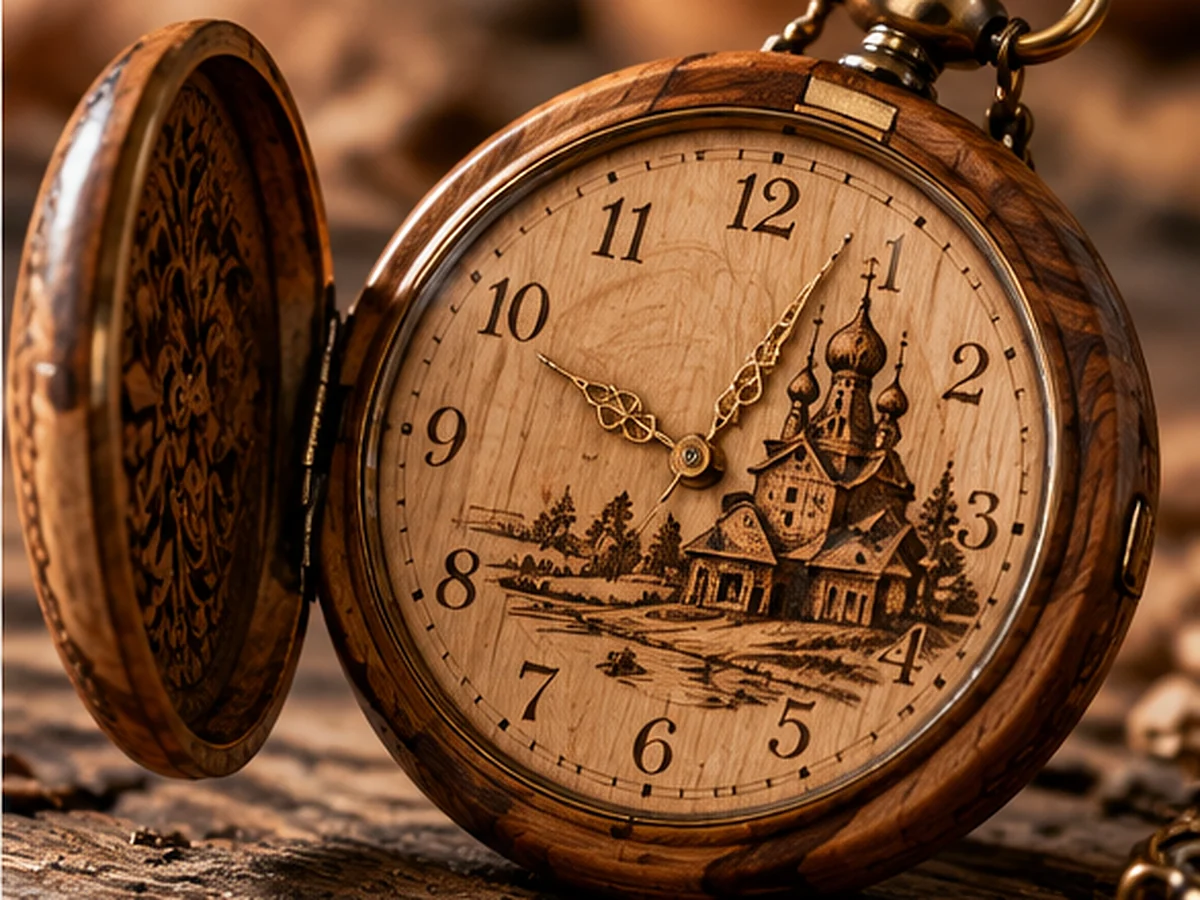
The Russian family who made pocket watches out of wood
In the 1830s, Semyon Ivanovich Bronnikov, a craftsman from Vyatka province in the north of Russia, made something that sounds impossible: a working pocket watch carved from wood. The case, the dial and even the tiny gear wheels were wood, and later models also used bone. The earliest known model dates from 1837 and, so the story goes, was bought by the future Tsar Alexander II.
His sons Mikhail and Nikolai carried on the work into the early 20th century. Making one watch took about a month, and the family made around 500 in total. They were shown at exhibitions in Paris and New York, and some even had chains carved from wood.
Roughly half of them survive. Today they are museum pieces and sell at auction for the price of a car.
Details such as numbers and dates vary between sources, so treat them as approximate.
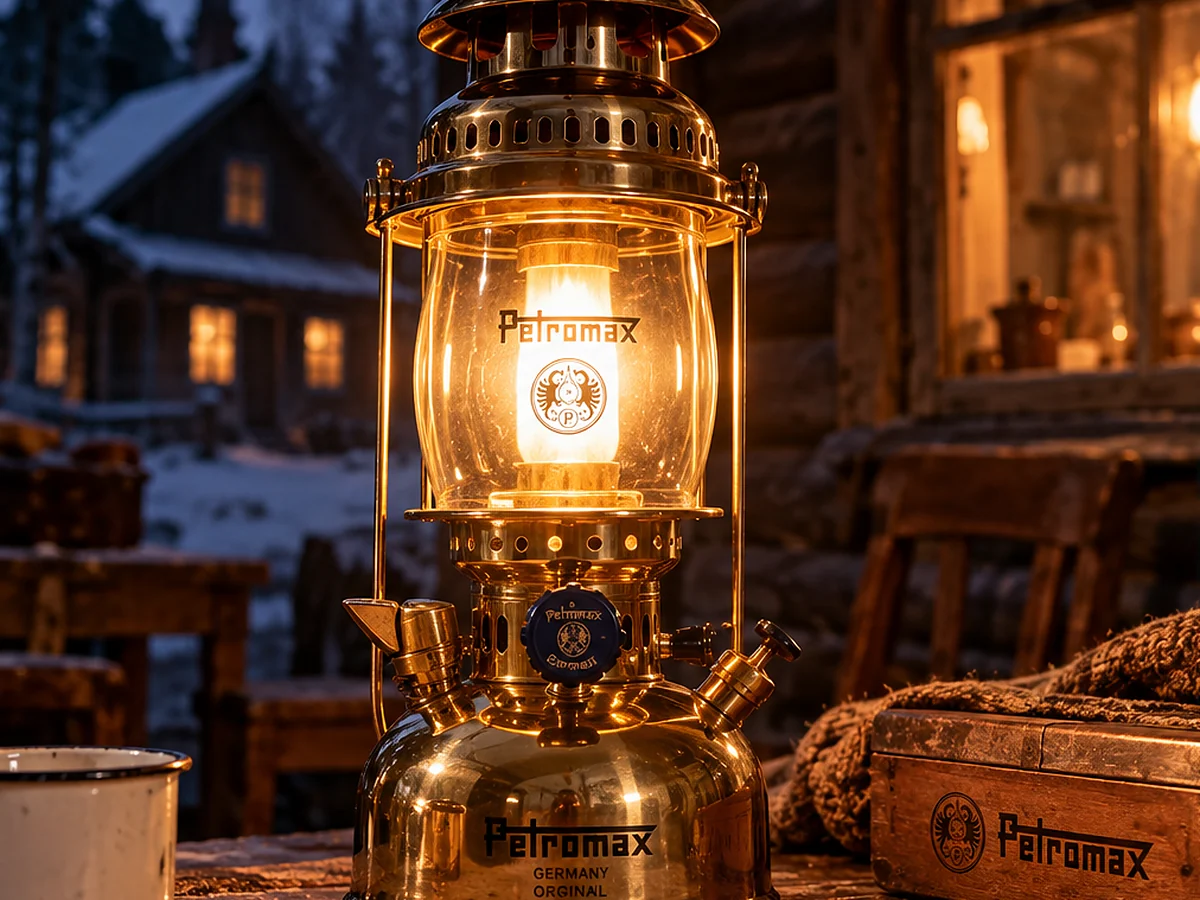
Petromax: the lamp that lit homes before electricity
In 1910 the Berlin manufacturer Max Graetz brought out a new kind of paraffin lamp. Its name joined Petroleum (German for paraffin) and his own first name: Petromax.
Unlike an ordinary wick lamp, a Petromax works under pressure. A small hand pump pushes paraffin up from the tank, the fuel is turned into vapour by the heat of the flame, and the vapour burns inside a fine mesh mantle that glows bright white. One lamp gives as much light as a strong electric bulb.
For decades it lit farmhouses, ships, market stalls and fishing boats all over the world, wherever electricity had not arrived yet. The name became so common that in many countries any pressure lamp is simply called a “petromax”, and the lamps are still made today.

Why the twisted candle does not fall over
Twisted and looped candles look as if they should topple at any moment, yet they stand quite happily in their holders. They are made by warming a thin candle until the wax softens and then bending it by hand into a spiral or a loop before it sets again.
The trick is balance. However wild the shape, the candle's centre of gravity, the point where its weight is effectively concentrated, stays right above the holder, so it does not tip.
As it burns, the flame works its way along the twisted wax, and the shape changes as it goes, which is why these candles are so mesmerising to watch.

The secret Soviet nuclear missile base hidden in a Latvian forest
Near the village of Zeltiņi in north-east Latvia, deep in the pine forest, lies one of the most secret places of the Cold War. From 1961 to 1989 this was a base of the Soviet Army armed with R-12 medium-range ballistic missiles carrying nuclear warheads, with a range of about 2,200 kilometres, enough to reach much of Western Europe.
The base had four launch pads, hangars and bunkers where the nuclear warheads were assembled and kept. When the army left after 1989, it destroyed the power, water and heating systems on its way out.
Today the concrete ruins are open to visitors, with guided tours and a small museum about everyday life on a Soviet military base. In the middle of the old parade ground stands a huge head of Lenin, said to be one of the largest in Europe.
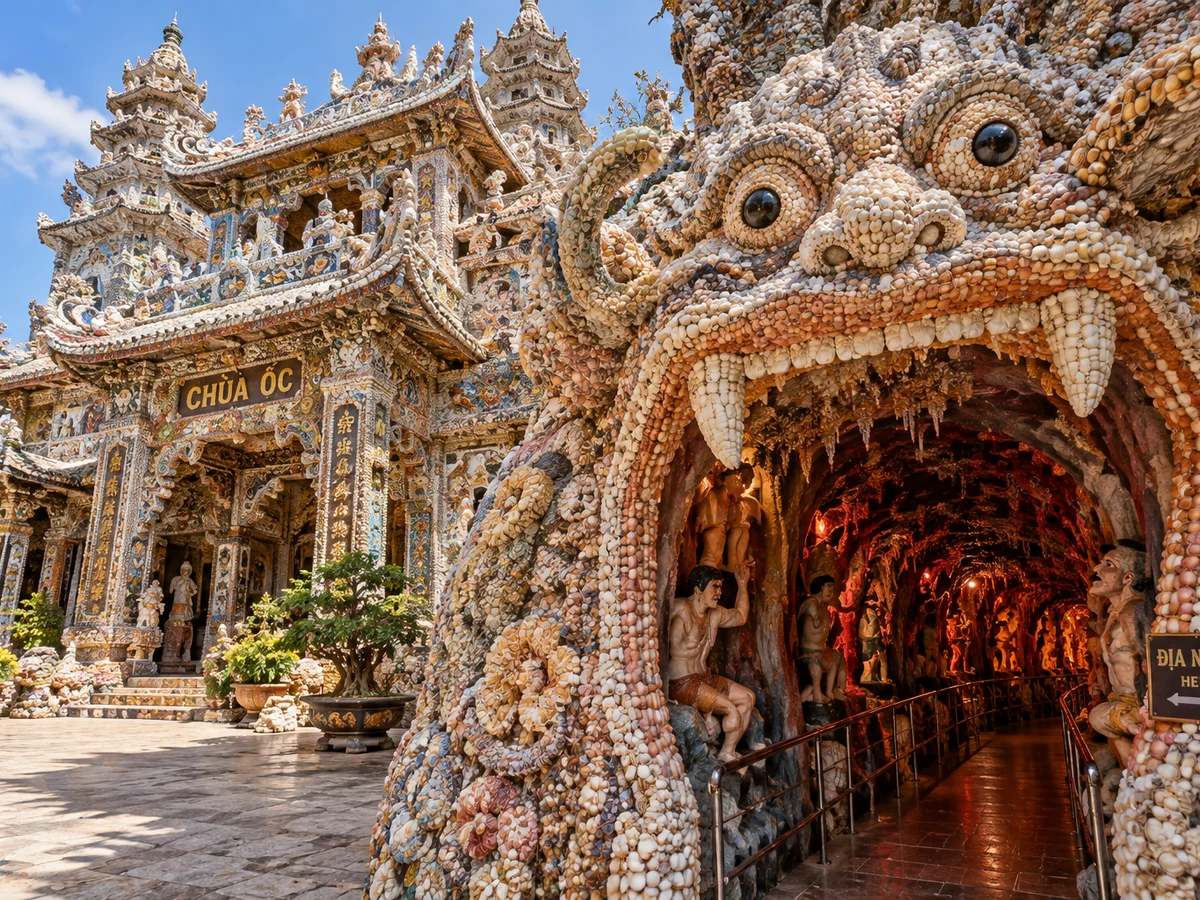
The Vietnamese pagoda built from millions of seashells, with a tunnel through hell
Near Cam Ranh in southern Vietnam stands Tu Van Pagoda, a Buddhist monastery founded in 1968. From the mid-1990s its monks began covering the walls, towers, floors and ceilings with seashells and coral gathered from the nearby shore.
The centrepiece, the Bao Tich stupa, is more than 30 metres tall. It has eight doors facing the eight directions and 49 small pointed towers, each with a Buddha statue inside. Twelve monks and lay helpers built it by hand over more than four years.
Below ground waits the strangest part: a tunnel entered through the mouth of a giant dragon. Its narrow, dark corridors show the 18 levels of Buddhist hell in murals and sculptures, a walk meant to make visitors think about the consequences of their deeds before they return to the light.
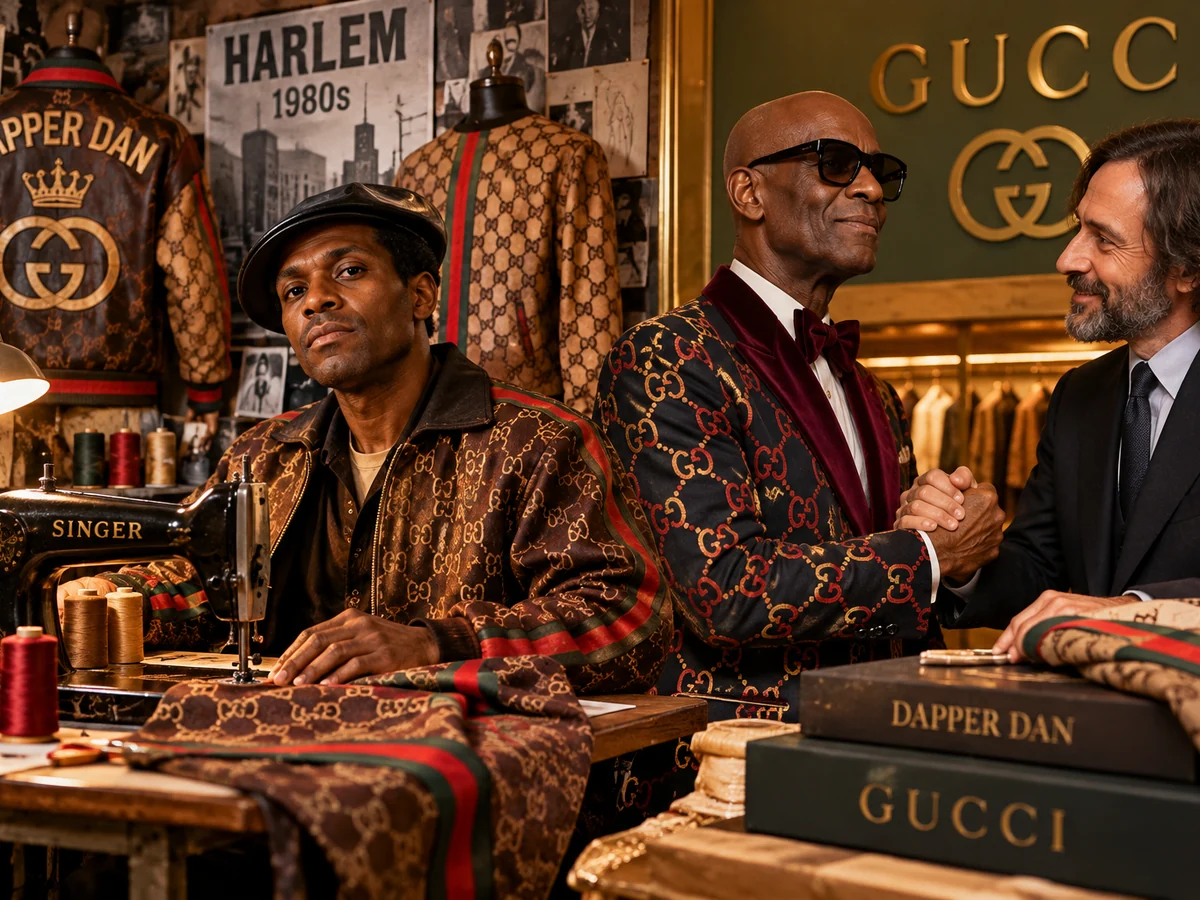
Dapper Dan: the tailor who faked Gucci and ended up working with Gucci
Daniel Day, known as Dapper Dan, opened a boutique in Harlem, New York, in 1982. He printed the logos of famous fashion houses such as Gucci, Louis Vuitton and Fendi onto fabric himself and turned them into big bomber jackets and tracksuits that the brands themselves did not make at the time.
His clothes became legendary among rappers like LL Cool J and Eric B. & Rakim and boxers like Mike Tyson. But it was not legal, and in 1992, after lawsuits from the big brands, his shop was closed down.
In 2017 Gucci showed a jacket on the runway that looked almost exactly like one Dapper Dan had made in 1989. The internet noticed. Instead of a fight, Gucci teamed up with him, and in 2018 he opened an official atelier in Harlem, this time with the brand's blessing.
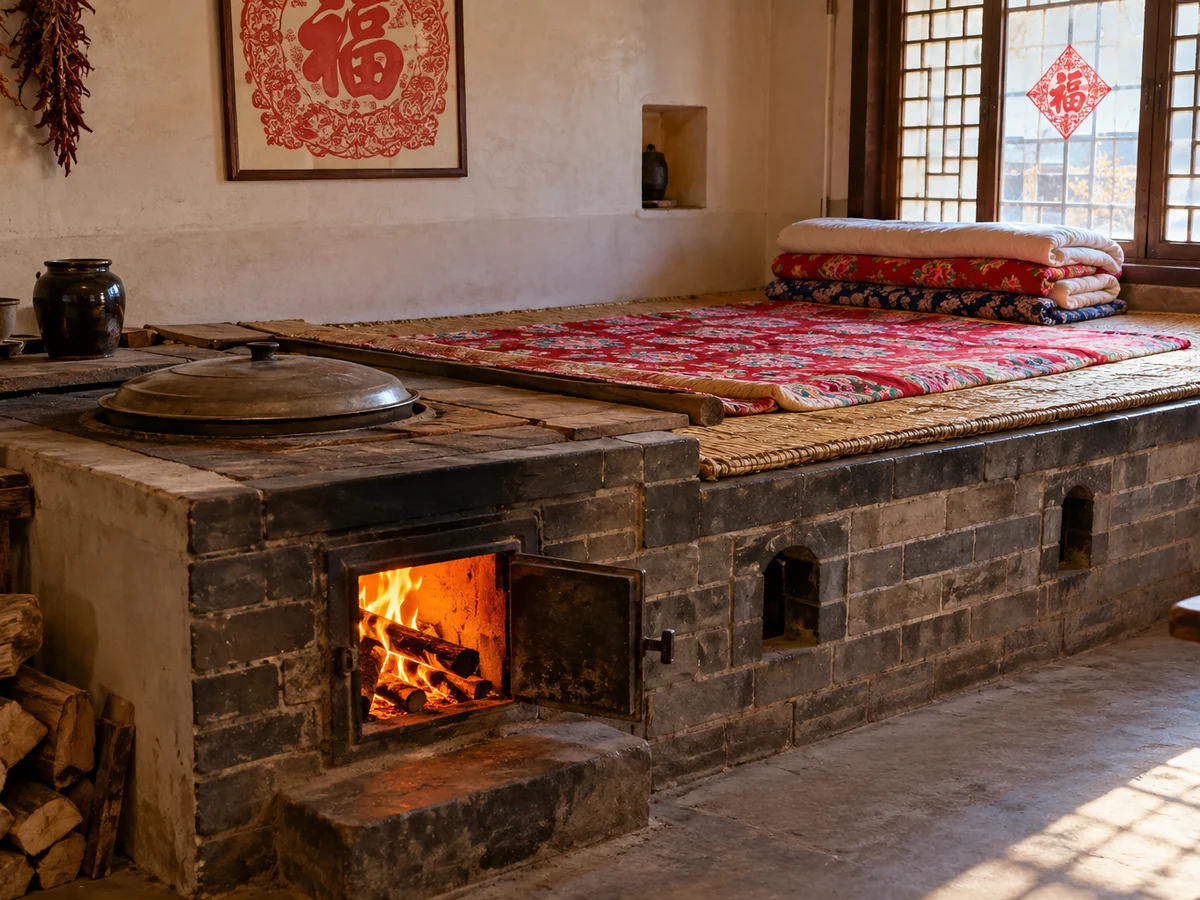
Kang: the Chinese bed that is also a stove
In the cold north of China, people have slept for centuries on a kang (炕), a raised platform of brick or clay that is heated from inside. A fire is lit in a small stove at one end, often the same stove used for cooking, and the hot smoke travels through channels under the platform before it leaves through the chimney.
The bricks soak up the heat and give it back slowly all night, so the bed stays warm long after the fire has died down. During the day the kang becomes the heart of the home: the family sits, eats, works and receives guests on it.
Similar ideas appeared elsewhere in East Asia, most famously the Korean ondol, which heats the whole floor in the same way.
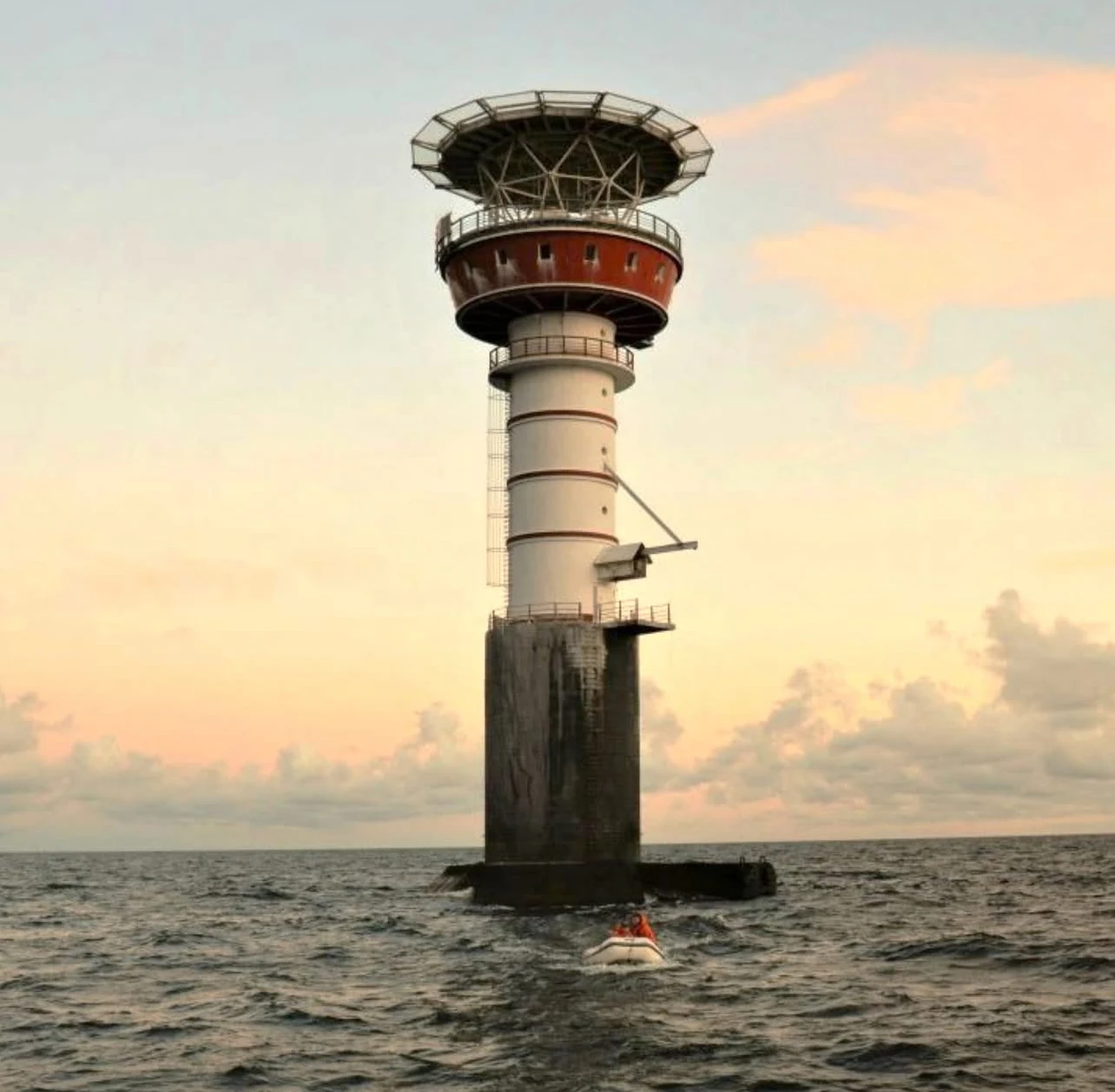
The lighthouse that stands alone in the sea, once powered by nuclear generators
In the Irbe Strait, where the Gulf of Riga meets the open Baltic Sea, a concrete tower rises straight out of the water. This is the Irbe lighthouse (Irbes bāka), built in Soviet times and completed in the mid-1980s, about 20 kilometres off the Latvian coast.
It is a round, reinforced-concrete tower of 14 floors, roughly 38 metres above the waves. Living quarters sit at the top, and above them there is a helicopter pad. The concrete tower weighs around 2,000 tonnes, and with its underwater foundation the whole structure is said to weigh about 10,000 tonnes. It was built by specialists from the Estonian SSR, led by engineer Igor Alekseev.
The lighthouse was too far from land for a power cable, so it first ran on three radioisotope generators, small nuclear power units that produce electricity from the heat of decaying material. Today it is powered by solar panels instead, and it belongs to the Latvian Maritime Administration.
Figures such as height, weight and distance vary a little between sources, so treat them as approximate.
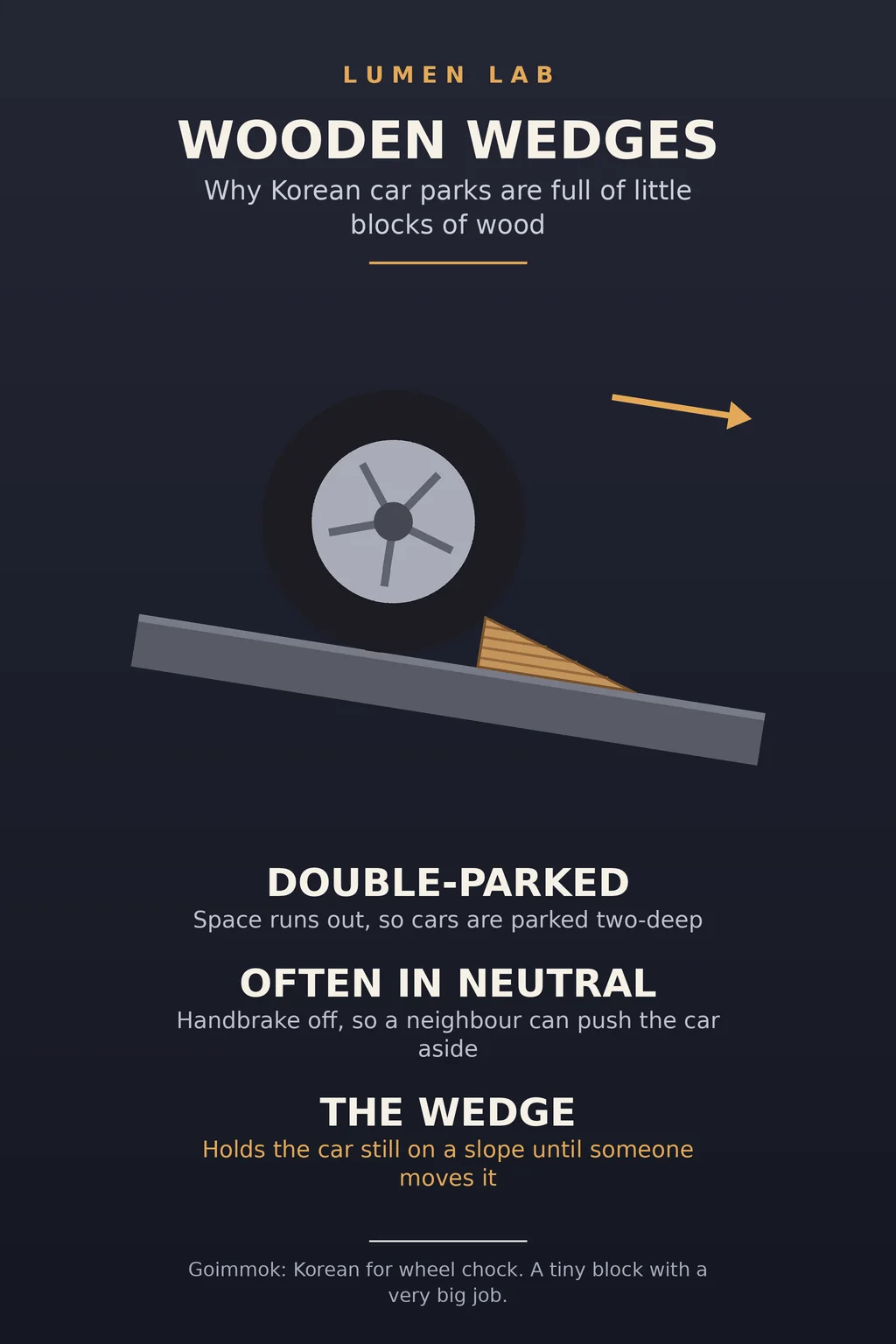
Why Korean car parks are full of little blocks of wood
In crowded Korean apartment complexes, parking spaces run out, so cars are often parked two-deep: a second car sits right behind (or beside) the first and blocks it in.
To keep that workable, drivers commonly leave the car in neutral with the handbrake off, so a neighbour can simply push it out of the way. That is where the little wooden block comes in. Called a goimmok (고임목), it is a wheel chock wedged against a tyre, and on any slope it is the only thing stopping a free-rolling car from drifting off on its own.
It is a clever piece of neighbourly engineering, but also a risky one. Korean news and legal commentary have covered accidents where a chock was pulled out or a pushed car kept rolling, and courts have shared responsibility between the car's owner and the person who pushed it.
Worth saying plainly: this is a local habit in cramped car parks, not an official rule, and it varies from one complex to the next. It is not a recommendation to park this way.

Why you can't hurry an Archimedes screw
The Archimedes screw lifts water with nothing more than a spiral inside a tilted tube. Turn it, and each turn of the spiral scoops up a pocket of water and carries it a little higher until it spills out at the top. It is traditionally credited to Archimedes of Syracuse, and the earliest written mention dates to roughly 250-220 BC, though historians still debate whether he invented it or learned of it from Egypt.
The catch is that more speed does not mean more water. Turn it too slowly and the water slips back down the spiral. Turn it too fast and each pocket does not have time to fill properly, the water sloshes and spills, and turbulence eats into the efficiency. Every screw has a sweet spot, and at it a good one can reach somewhere around 70% efficiency.
That patient, slow-turning design is why it never went away. Today the same screws lift sewage in treatment plants, drain low-lying land, and, run in reverse, generate electricity at low-head hydropower sites. Their wide gaps let them pass solids without clogging.
This isn't a spider web: it's a worm's branching proboscis
That tangle looks like a web, but it comes out of a ribbon worm called Gorgonorhynchus, nicknamed the Gorgon worm after the snake-haired monster of Greek myth. Ribbon worms (phylum Nemertea) keep a long proboscis tucked inside their body in a fluid-filled chamber. When muscles squeeze that chamber, the pressure shoots the proboscis out and turns it inside-out, a bit like pulling a sock off.
Most ribbon worms have a simple tube-shaped proboscis. This genus has one that branches again and again into a dense, sticky cloud. The body itself is small, only about 5 cm (2 inches) long when unstretched, and the worms live in shallow seabed mud, on the surface or tunnelling through it.
For a while, zoologists were not sure how it fed. Current understanding is that the branched proboscis is fired out like a sticky net and snares animals such as molluscs and other worms.
The Egg: a 40-minute story that travelled the world
The Egg is a very short story by Andy Weir, the author later known for The Martian. He posted it on his website, Galactanet, on 15 August 2009, and says he wrote it in about 40 minutes.
It follows a man who dies in a car accident and meets a godlike being who explains what happens next. No spoilers here, but the idea at its heart, that how we treat other people matters in a way we do not expect, is what keeps people sharing it. You can find it on Weir's website, and it only takes a few minutes to read.
Since then it has been read in more than 30 languages, adapted into animated and live-action short films (including a popular animated version by Kurzgesagt), and echoed in the rapper Logic's 2017 album Everybody.
Ancient bronze mirrors: polished metal long before glass
That round disc in an old museum case is not a pan or a plate, it is a mirror. The mirrors pictured are Egyptian hand mirrors from the New Kingdom, about 3,500 years old: a polished copper-alloy disc, and a silver disc with a gold-covered handle shaped like the emblem of the goddess Hathor. They were made to be used, the disc rubbed until it reflected like a modern mirror, and bronze and brass-like alloys stayed bright and golden for as long as they were kept polished. Museum pieces that look dark and green are the same metal after centuries of corrosion. For most of history, mirrors were made of polished metal, not glass. Copper mirrors appear in Mesopotamia from about 4000 BCE and in Egypt from about 3000 BCE, and in China bronze mirrors were being made from around 2000 BC.
The front was polished until it reflected, and the back was often cast with patterns, which is why so many surviving examples look like decorated plates. Glass mirrors came much later: glass began to be used for mirrors in the 1st century CE, but there is no archaeological evidence of glass mirrors before the third century, and early ones were small, often curved and distorted.
Metal mirrors stayed the norm in Europe through the Middle Ages. The modern flat, clear mirror only arrived in 1835, when the German chemist Justus von Liebig invented the silvered-glass mirror.

Brooklyn's Domino Sugar Refinery: from sugar to skyline
On the Williamsburg waterfront in Brooklyn, the Domino Sugar Refinery processed sugar from 1856 until 2004. A fire destroyed the original, and the complex was rebuilt in 1882-83. By 1881 the Havemeyer refining business was handling about three-quarters of all the refined sugar in the United States, and in 1919 the refinery employed around 4,500 workers.
After it closed in 2004, the main Pan, Filter and Finishing House was designated a New York City landmark in 2007. The site became a roughly $3 billion redevelopment of apartments, offices and a six-acre waterfront park, Domino Park, which opened in June 2018. In September 2023 the old refinery building itself reopened as offices, topped with a glass-and-steel addition that crowns the original brick.
The giant Domino Sugar sign from the 1920s became a symbol of the waterfront. In December 2022 the original neon sign was replaced with an LED replica.
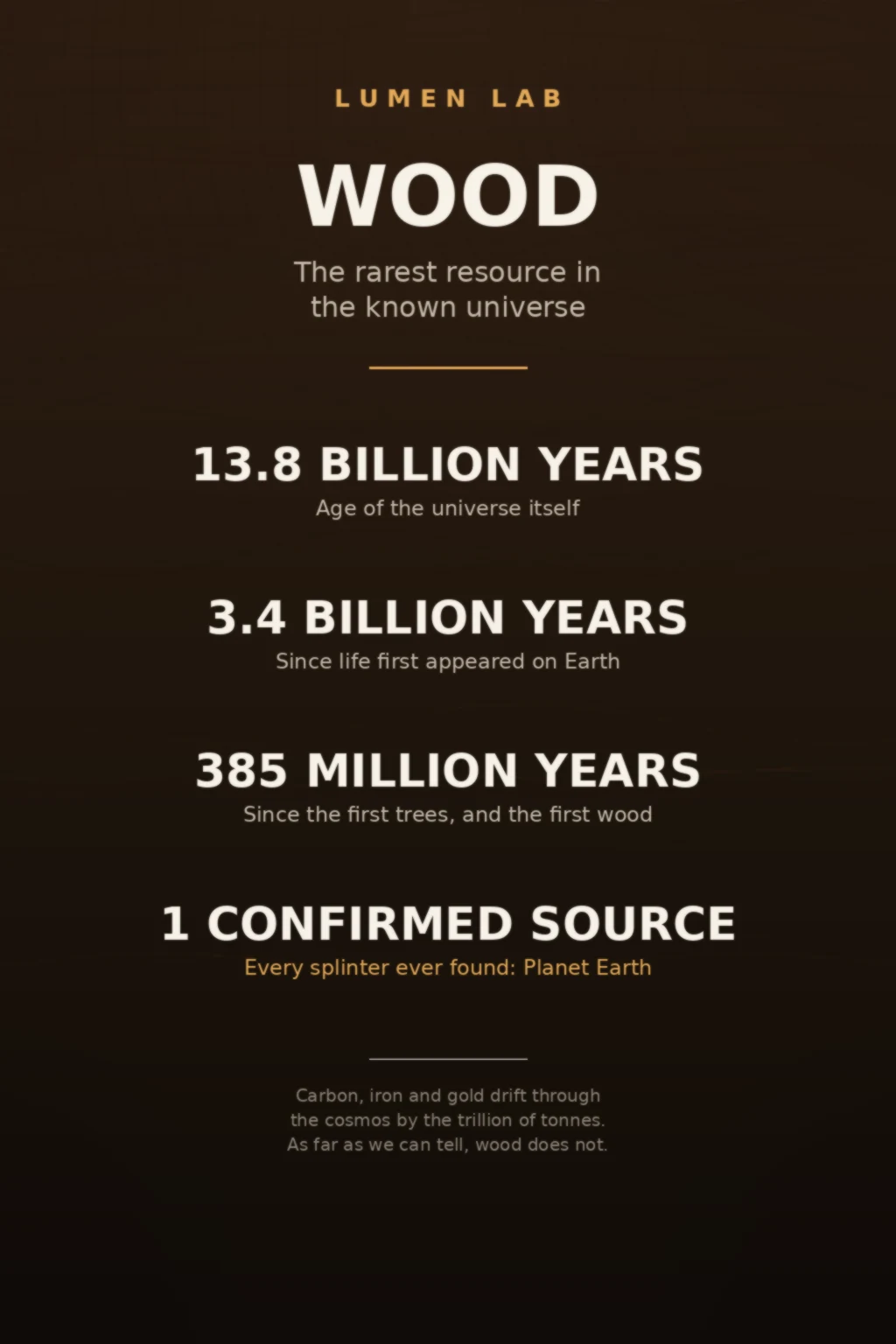
Wood is the rarest resource in the universe
Here's a strange thought: silicon, carbon, iron and gold are scattered across the universe by the trillions of tonnes, in stars, asteroids, nebulae and the cores of planets. But as far as anyone has ever confirmed, wood exists in exactly one place: Earth.
Wood isn't just a material, it's a solution to a very specific engineering problem. Plants had to figure out how to stand upright against gravity, so they evolved lignin, a rigid polymer that bonds with cellulose to form a strong, self-supporting structure. That trick took billions of years of evolution to arrive at: life appeared on Earth around 3.4 billion years ago, but the first true trees, and the first wood, didn't show up until about 385 million years ago.
For that to happen anywhere else, a planet would need rock, liquid water, a stable climate held steady for billions of years, an atmosphere shaped by photosynthesis, and then, on top of all that, the specific evolutionary path that produces vascular land plants. We've found thousands of exoplanets, and plenty of raw elements out there, carbon-rich worlds, even planets thought to be capped in diamond. What we have never found, anywhere beyond Earth, is a single confirmed piece of wood.
So by that measure, gold and diamonds may be common. Wood might not be.
Worth saying plainly: this is a fun way of framing how special Earth's biology is, not a settled scientific claim, since we've barely begun to search. But nothing we've found so far proves it wrong.
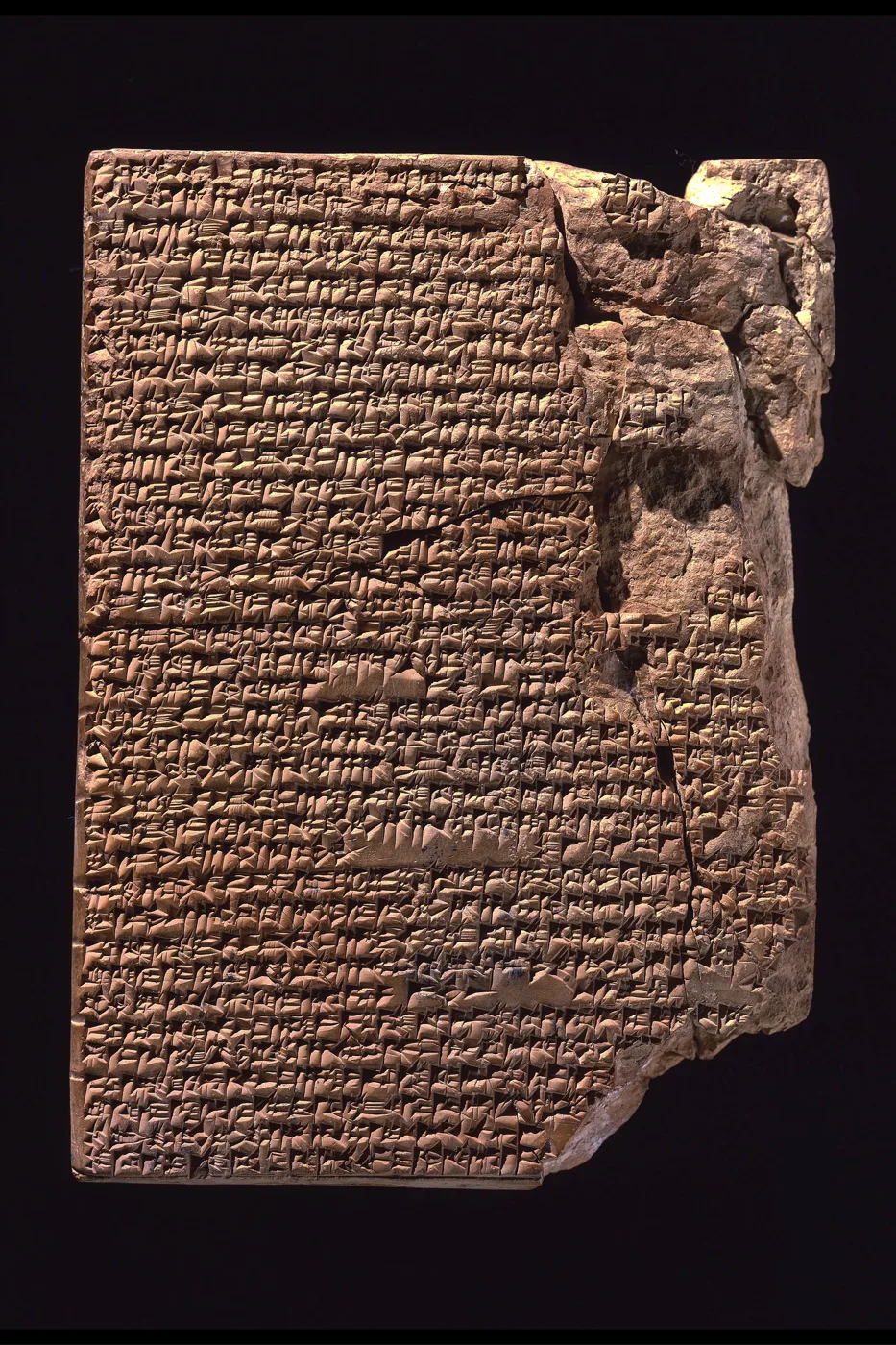
The first recipes in history: Babylonian clay tablets
The first recorded recipes in human history were found on Babylonian clay tablets from around 1730 BC, known as the Yale Babylonian Collection. They are written in cuneiform in the Akkadian language.
They list only the main ingredients and the order of adding them, with no exact proportions or cooking times.
1. Stewed lamb (Pasrutum)
Ingredients: lamb, water, fat, salt, leek, garlic, fresh shallot, crumbs of unleavened bread (dried bread to thicken), milk or sour milk.
Method: heat the water and add fat. Add the prepared lamb with salt. Add finely chopped leek, garlic and fresh shallot. Pour in a little milk and simmer slowly. Before serving, thicken the broth with ground crumbs of unleavened bread.
2. Bird in broth with herbs
Ingredients: a wild bird (duck or partridge), water, fat, salt, onion, leek, garlic, fresh coriander, fresh milk.
Method: clean the bird and fry it in fat. Move it to a pot of boiling salted water. Add sliced onion, leek and garlic. Pour in a little milk to soften the flavour. At the end add chopped fresh coriander and serve with the broth.
3. Vegetarian red lentil soup
Ingredients: red lentils, water, onion, garlic, oil or clarified fat, coriander and cumin.
Method: rinse the lentils and cover them with cold water. Add melted fat or oil and set on the heat. Add chopped onion and garlic. Season with ground coriander and cumin seeds. Cook until the lentils are completely soft and the soup is thick.

Salvador Dalí's Royal Heart
The Royal Heart is a jewel created by Salvador Dalí in 1953, one of the pieces of his "Jewels" collection. A heart of solid gold, worked with a rough, textured surface, is topped with a crown set with pearls and gems.
Inside a window in the heart sits a smaller heart made of rubies, and the piece was designed so that this ruby heart appears to beat like a real one.
It is a typical Dalí idea: a precious object that behaves like a living thing. Today it is shown at the Dalí Theatre-Museum in Figueres, Spain.
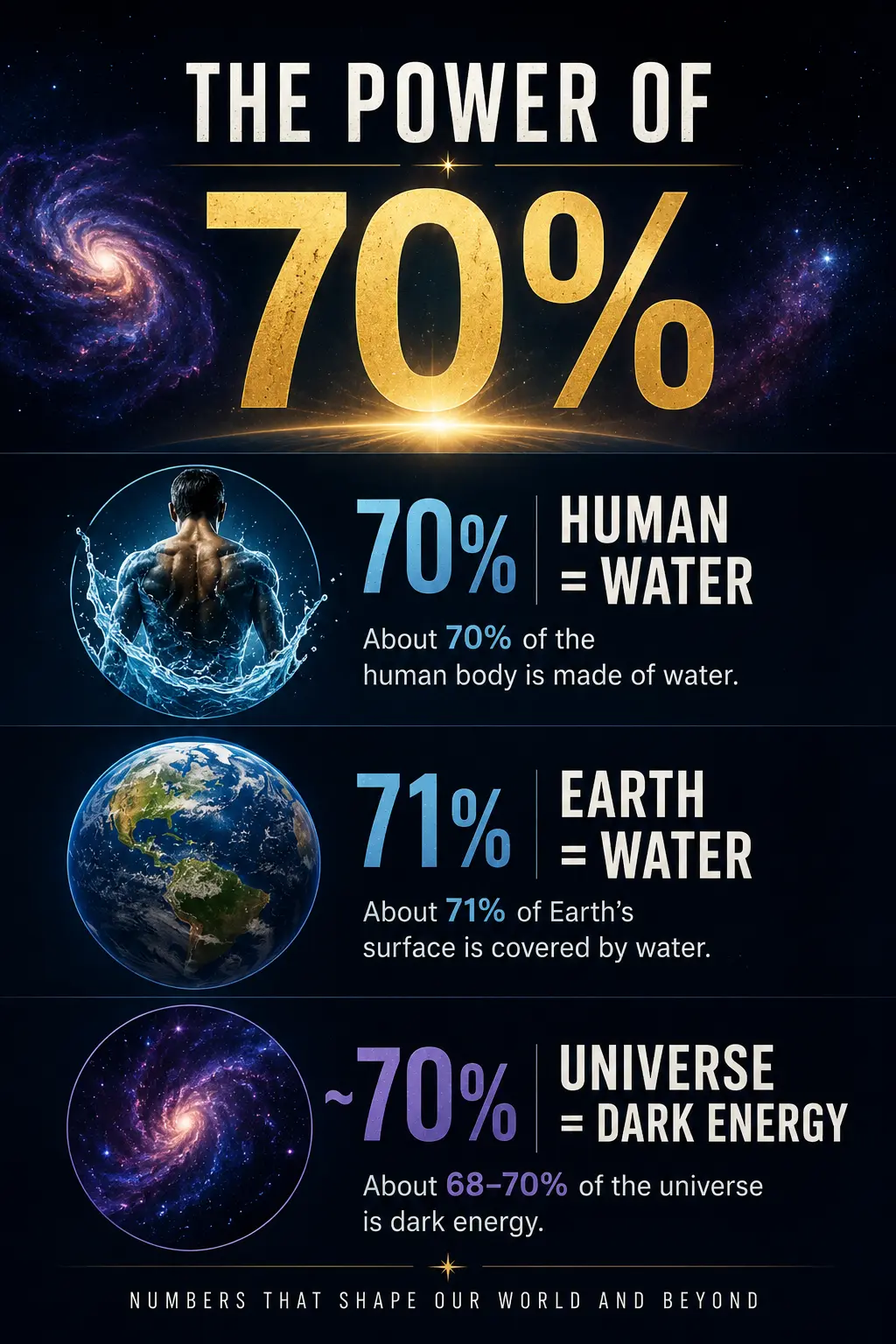
The power of 70%
The human body is made up of about 70% water.
The brain contains roughly 70% water.
About 70% of Earth's surface is covered by water.
About 70% of the universe is made of dark energy.
Around 70% of the galaxies in the universe are thought to be spiral or disk-shaped, although the exact percentage depends on how galaxies are classified and which population is studied.
More than 70% of the known universe may be completely invisible to us, because dark matter and dark energy cannot be directly seen.
Around 70% of Earth's oxygen is produced by marine organisms, especially phytoplankton.
About 70% of the world's freshwater withdrawals are used for agriculture.
70% of land is not forested.
Some people spend around 70% of their time indoors.
Around 70% of Earth's freshwater is locked in glaciers and ice caps.
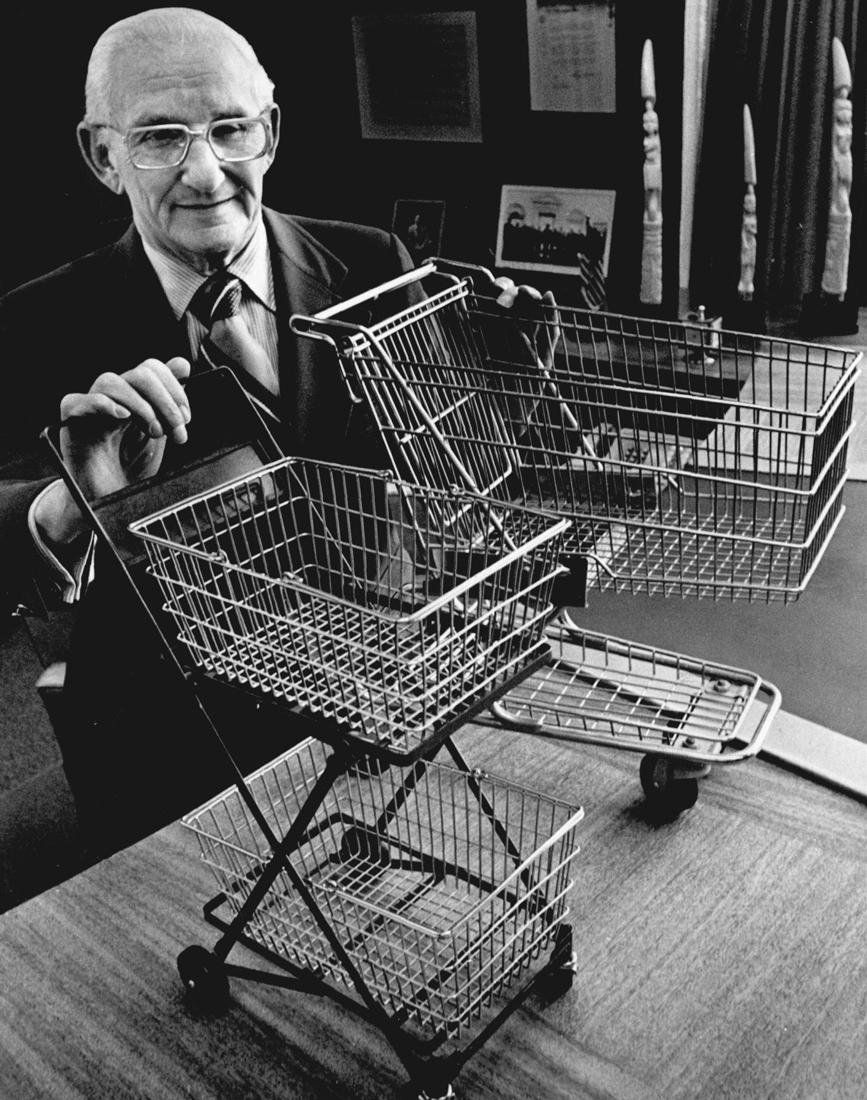
The worlds first shopping cart.
The first shopping cart was invented by Sylvan Goldman, an American supermarket owner, in 1937.Goldman noticed that customers stopped shopping when their hand baskets became too heavy. He wanted to find a way for people to carry more products around the store.His first idea was a folding metal frame with two shopping baskets placed on it, one above the other.At first, customers did not want to use the new carts. Some men thought they looked like baby strollers, while many women said they were already tired of pushing strollers for their children.To solve this problem, Goldman hired people to walk around the store using the carts, showing customers how convenient they were.Later, engineer Orla Watson improved the design by creating the nesting shopping cart, which allowed empty carts to fit inside each other. This became the model for the modern shopping cart we see in supermarkets today.
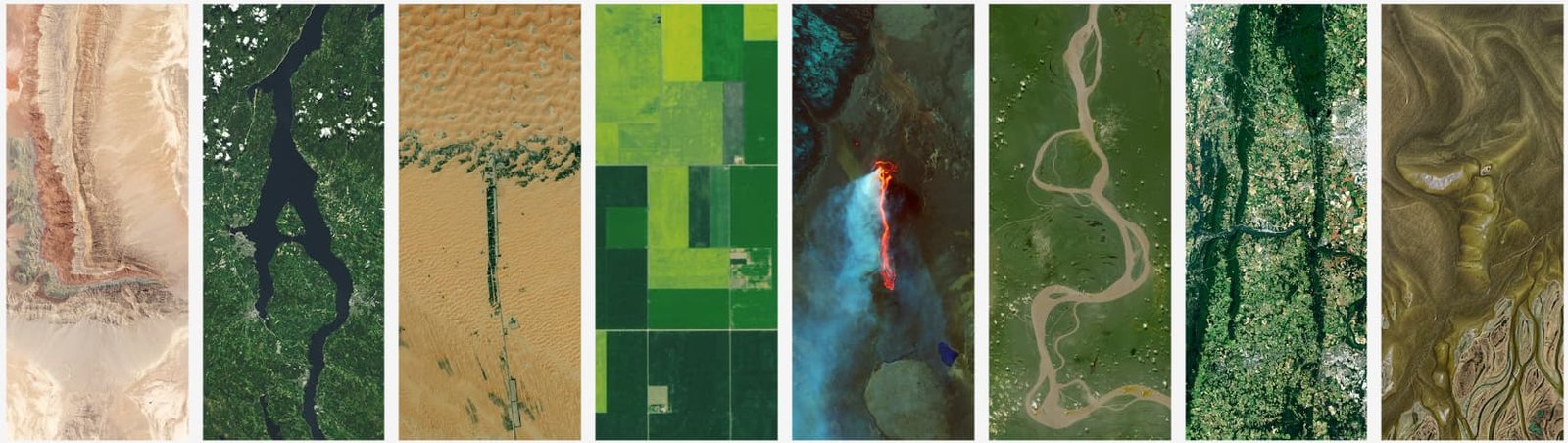
The world spelt out in canyons, rivers, lava, and fields.
A visual journey across Earth’s surface captured by NASA and USGS Landsat satellite imagery, bringing together natural topographies and human geography to spell out Your name. Click here to see how your name will look like.
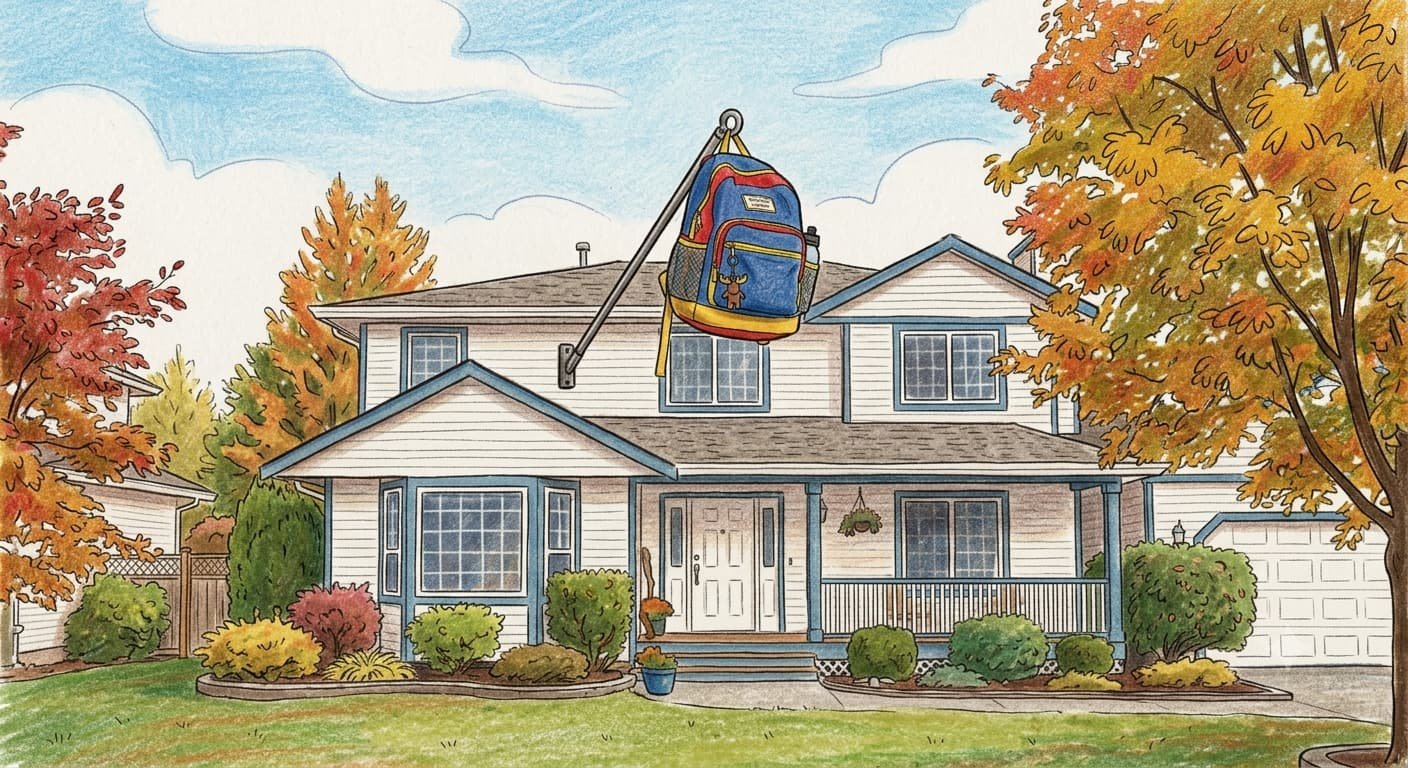
The Curious Dutch Tradition of Flying Backpacks
Every June across the Netherlands, a peculiar sight transforms quiet neighborhoods and city streets. Standard home flagpoles begin hoisting unexpected cargo: worn backpacks, battered pencil cases, and bulging book bags flying high alongside the Dutch tricolor flag. To an outsider, it might look like a neighborhood prank or a bizarre outdoor storage solution. But in Dutch culture, this visual marker carries profound meaning—it signals that a student in that house has officially passed their eindexamen (final high school exams).